The working capital adjustments are one of the areas of confusion during the merger and acquisition process, as it involves several financial considerations. Such modifications are important towards ensuring that the buyer and the seller get a fair deal. Unless this aspect is taken care of then the ultimate transaction value might not represent the…
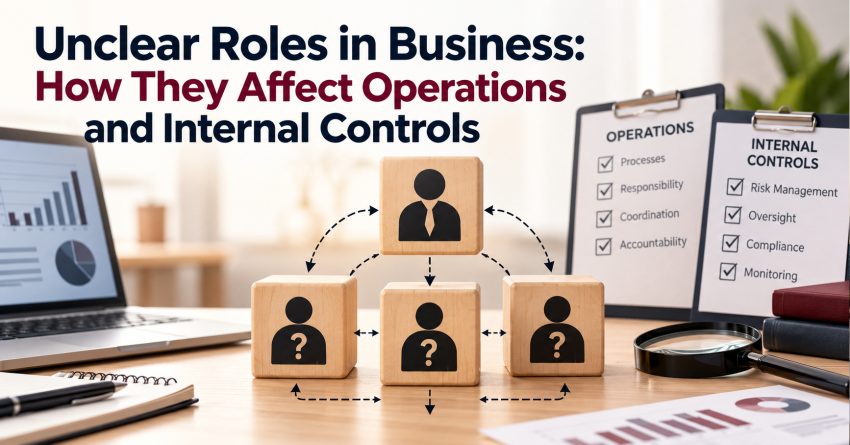
Why Internal Controls Are the Backbone of Corporate Finance Management
Financial discipline in the contemporary business world is not only about making profits but also about protecting them. Internal controls are designed procedures and policies that help ensure the accuracy of financial reporting, reduce the risk of fraud, and improve operational efficiency. They are an important tool in corporate finance management when properly applied. Knowledge…
Internal Audit in Strategic Planning: Role in Decision-Making and Growth
Businesses in the current competitive world require more than merely financial data to make decisions. They need to have a clear understanding of operations, risks and performance. It is in this regard that internal audit comes in very handy. In addition to compliance and detection of errors, internal audit also offers valuable insights that may…
Retail Compliance Audit: E-commerce vs Physical Stores Explained
Retail companies are currently conducting their operations both in brick-and-mortar and online. Although the objective is the same, providing goods to the customers, the manner in which these businesses operate is quite different. This is the reason why a retail compliance audit is very important in making sure that the two formats adhere to the…
Digital Signatures & DIN in Company Incorporation: Role and Importance
Starting a new business involves several legal and procedural steps and understanding the importance of Digital Signatures and Director Identification Number (DIN) is essential in the process of Company Formation. These two elements play a crucial role in ensuring compliance, authenticity, and smooth registration of a company. Understanding Digital Signatures in Company Formation The use…
Corporate Secretarial Compliance: Key Aspects and Importance
In today’s dynamic regulatory environment, businesses must adhere to a wide range of legal and procedural requirements to operate smoothly. One of the most critical yet often overlooked aspects is corporate secretarial compliance. It forms the backbone of a company’s governance structure, ensuring that all statutory obligations are met efficiently and on time. What is…
How AI and Automation Are Transforming Financial Modelling and Valuation
The financial landscape is changing at a very fast pace and financial modelling, and valuation is not an exception. These processes are traditionally spreadsheet and manual analysis-based, but the latest technologies such as artificial intelligence (AI), automation, and advanced analytics are transforming these processes. Since companies aim to make quicker and more precise decisions, it…
The Impact of Private Equity and Venture Capital on Emerging Markets
Emerging markets have become a focal point for global investors seeking high-growth opportunities, and private equity and venture capital are playing a crucial role in shaping these economies. From fostering innovation to creating jobs, these investment avenues are driving significant transformation across developing nations. Driving Economic Growth and Innovation One of the most notable impacts…
When Should a Company Choose a Limited Review of Financial Statements?
In today’s dynamic business environment, financial transparency and timely reporting are essential for building trust among stakeholders. While a full audit provides a comprehensive examination of financial records, it may not always be necessary for every situation. This is where a limited review of financial statements becomes a practical and cost-effective alternative for many companies….
Importance of Enterprise and Risk Management in Today’s Business Environment
In an increasingly complex and unpredictable global economy, businesses face a wide range of risks—from financial uncertainties and regulatory changes to cybersecurity threats and operational disruptions. To navigate these challenges effectively, organizations are turning to Enterprise and Risk Management as a strategic approach to identify, assess, and mitigate risks while achieving their business objectives. Understanding…