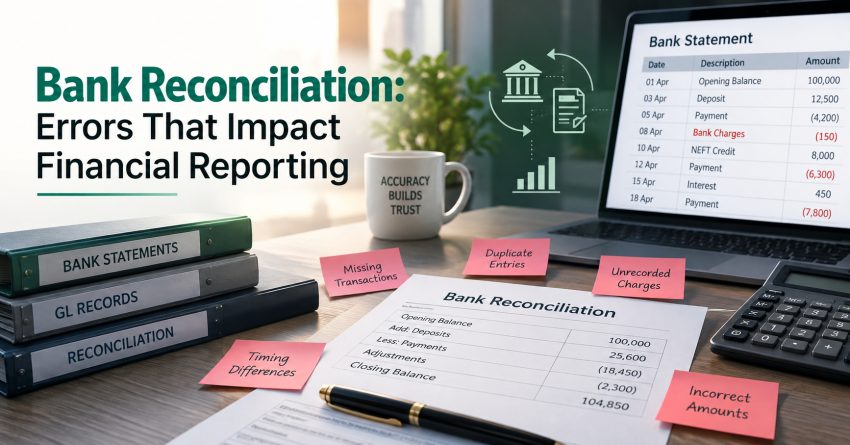
Each transaction within an organization is important for maintaining financial accuracy and integrity. Accounts payable reconciliation is one of the most crucial procedures that will be used to achieve this accuracy. Even small discrepancies between statements from suppliers, purchase records, and accounting records can create gaps in reporting, which influence financial statements, cash flow and…
Audit Planning: How Audit Procedures Are Decided
The first step to a successful internal audit is to develop an audit plan. If not planned properly, auditors could miss crucial threats to the business, use precious resources, or not give relevant feedback to management. The foundation of the audit plan is the areas to audit, procedures to conduct, and evidence to gather to…
Limitation of Liability Clauses: Understanding Your Contractual Risk
Contracts are the very foundation of business relations as they highlight the rights, duties, and obligations of each party. In this direction, limitations of liability clauses are among the most important clauses included in commercial agreements. The primary objective of these clauses is to specify how much financially a party will owe in the event of…
From Chaos to Consistency: How SOPs Strengthen Business Processes
Increasingly, growing businesses find themselves becoming more complicated in terms of performing daily operations. What was adequate before in terms of informal communication and individual knowledge may not work anymore as the team grow, or when there is a new branch of a company that opens, leading to increased customers’ demands. The lack of standardization…
Setting Up a Business in India: A Compliance Guide for Foreign Investors
India is one of the most attractive investment markets, especially for investors seeking a large consumer base, a skilled labour force, and a rapidly growing economy. However, embarking on the Indian market is not just about gaining a foothold and start finding profitable business areas. It is essential for foreign investors to know about the…
Working Capital Management: How Businesses Can Strengthen Cash Flow
The lifeline of a successful business is its cash flow. No matter what industry or company size, companies need to keep their working capital healthy enough to make their daily business operations, fund their growth strategies, and withstand contingencies. A lack of working capital, despite being profitable, can be a source of liquidity problems. This…
From Startup to Scale-Up: Key Financial and Control Challenges
Creating a successful startup is one thing but turning it into a sustainable and scalable business is another. With the growth of organizations, financial activities become more complicated, regulatory requirements grow and the governance needed for decision making becomes stronger. Startups are all about innovation and growth while scale-ups need to focus on growth and…
Business Valuation during Financial Distress: Key Considerations
Financial distress can occur in businesses of any size and can be caused by various factors, including economic recession, declining income, high debt, operational problems, and market disruptions. In such cases, the true valuation of business becomes crucial, and a professional business valuation can provide stakeholders with an objective assessment of the company’s financial position….
Venture Debt vs Equity Funding: Key Considerations for Founders
One of the most crucial decisions that startup founders have to make is getting the right financing. The choice of capital might affect such factors as ownership, cash flow, long-term growth, and other issues. Although the equity funding was the standard way for startups to raise money, venture debt has become another financing option for…
RBI Reporting Compliance: Key Areas for Businesses to Monitor
With the growth of enterprises and expansion of their business processes, either domestically or internationally, there are constant changes in the regulatory environment of India. It is important for businesses that engage in foreign investment, international business dealings, external commercial borrowings, and international business transactions to comply with applicable RBI regulations. This will reduce the…