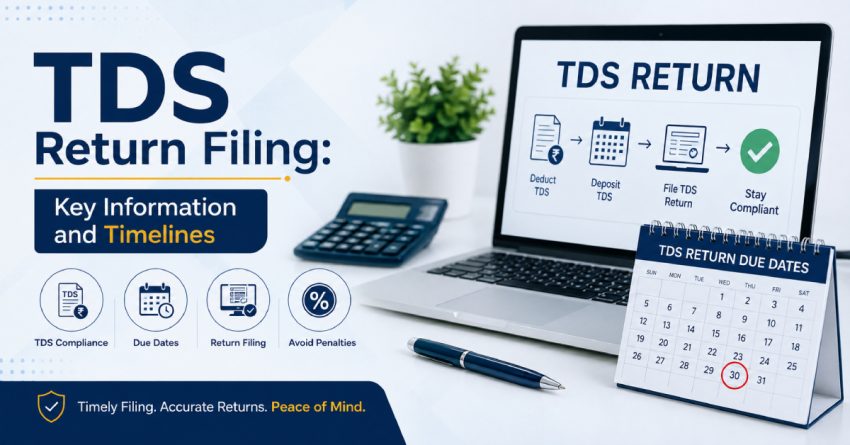
Tax Deducted at Source (TDS) is a crucial aspect of tax compliance in India. Applicable deductions and payment of such deductions to government within prescribed timelines is to be done by the applicable deductors for businesses. However, this is not the only responsibility of TDS deductions. The other is the correct reporting through TDS returns so that proper deduction of taxes is made, and the tax records of the receiver are correct. For many businesses, this is an ongoing process, and Businesses should establish a structured process to ensure accurate and timely TDS compliance.
This will help in minimizing errors while preparing tax documents.
What is a TDS Return?
TDS return is a periodic document presenting information regarding the tax deducted and paid in a specific period to an authority by the deductor. It will normally contain the details of the deductor, deductees, payments, tax deducted, and tax deposited.
The information mentioned in the return is significant as it forms part of the tax records of the person from whose payment the tax has been deducted as an advance tax. This, in turn, can lead to discrepancies between the deduction, challan and return, which can be a problem for both parties.
The information that is essential for filing.
Businesses need to ensure that the information on which the TDS return is to be prepared is complete and accurate.
Deductor Details
The PAN, TAN, name, address and other relevant registration information of the deductor should be properly mentioned.
Deductee Information
It is important to carefully check the PAN and other information of each deductee. If the PAN data is wrong, it can lead to mismatch in the reported data and could impact the tax credit for the recipient.
Payments and Deduction Information
Accurate records of:
Nature of payment
The amount paid or credited.
- Applicable TDS rate
- Tax deducted
- Date of deduction
- Date of payment or credit
The information should match the accounting information of the organization.
The timelines for TDS depositing and filing have been updated.TDS Deposit and Return Filing timelines are updated.
The compliance obligation on TDS is two-fold, the first is to deposit the tax and the second is to submit quarterly statement.
In most cases, TDS deducted in a month is to be deposited within 7th of the next month for all non-governmental deductor. The general deadline for deposits of deductions in respect of March is generally 30 April.
Generally, quarterly TDS return should be filed on the following dates:
- April–June: 31 July
- July–September: 31 October
- October–December: 31 January
- January–March: 31 May
The rules may differ for various types of deductor, payment or provision and businesses should check the requirements that apply to them.
Why is reconciliation important?
Preparing TDS returns should not be done on a standalone basis. The difference between the TDS deducted in books and challans should be kept in check by businesses, along with the payment records and return filed.
Through regular reconciliation the following can be identified:
- Incorrect PAN details
- Short or excess deductions
- Unmatched challans
- Incorrect deduction dates
A systematic reconciliation process can help businesses identify discrepancies before filing.
Common TDS Filing Mistakes
Any reporting mistake, however minor, can provide compliance difficulties. Some of the common errors are wrong PAN, wrong TDS sections, mismatching the information in the challan, wrong amounts deducted, and deductee details missing.
Therefore, before filing return, businesses should carefully check the return to avoid the hassle of TDS filing as a routine administrative procedure.
Importance of Timely Compliance
Depending on the type of default, late filing or incorrect reporting may lead to interest, late filing penalties, penalties or other compliance obligations. More significantly, mistakes can impact the deductee’s tax credit and cause unnecessary follow-up work.
Having a compliance calendar and delegating responsibilities for TDS activities can help to keep things under control.
Conclusion
Returning the TDS cannot be done by just typing the numbers in the quarterly statement. Having accurate payment records, correct PAN details, correct challan recon and knowing of the applicable deadlines are critical for businesses. Maintain accuracy by following a structured process.
For businesses with high transaction volumes, a structured process for TDS calculation, reconciliation, and return preparation can help improve reporting accuracy. TDS reporting should not be treated as a compliance task in the end but as a financial control task for them.
Frequently Asked Questions
Q: What is a TDS return, and why is filing it accurately essential?
A TDS (Tax Deducted at Source) return is a periodic statement submitted by a tax deductor to the tax authorities. It details the tax deducted, payments made, deductor and deductee information, and tax deposited via challans. Filing it accurately ensures that deductees receive the correct tax credits in their official records and prevents tax discrepancies between deductors and recipients.
Q: What are the key details required to file a TDS return?
Filing a complete TDS return requires accurate records across three primary categories:
- Deductor Details: TAN, PAN, registered name, and contact details.
- Deductee Details: Correct PAN and demographic details for each recipient to ensure tax credits land in the correct account.
- Payment & Deduction Records: Nature of payment, total amount paid/credited, applicable TDS rate, amount deducted, date of deduction, and date of deposit.
Q: Why should businesses reconcile TDS records before filing?
Reconciling TDS figures recorded in accounting books against tax challans and payment records helps detect errors prior to submission. Regular reconciliation catches:
- Incorrect or invalid PAN entries
- Short or excess tax deductions
- Unmatched or unlinked tax challans
- Discrepancies in deduction or payment dates
Q: What are the most common errors made during TDS return filing?
Common compliance mistakes include quoting invalid PANs, selecting incorrect TDS sections or tax rates, mismatching challan identification numbers, typing incorrect deduction amounts, and omitting deductee details.
Q: What are the consequences of late or incorrect TDS return filing?
Failing to file on time or submitting inaccurate details can trigger late filing fees, interest charges, and statutory penalties. Additionally, errors delay or deny tax credits for deductees, creating administrative friction and tax audit notices.