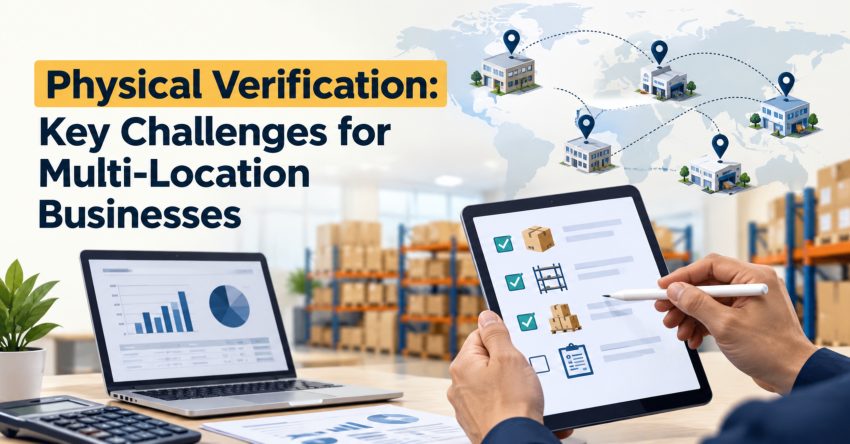
Businesses with multiple offices, warehouses, factories, stores or project sites often manage assets and inventory across different locations. Keeping records accurate and consistent can be challenging when each location follows different procedures or maintains documentation differently. Physical verification services can help organisations check their assets and inventory, compare physical items with recorded information, and identify…
Category: Inventory management
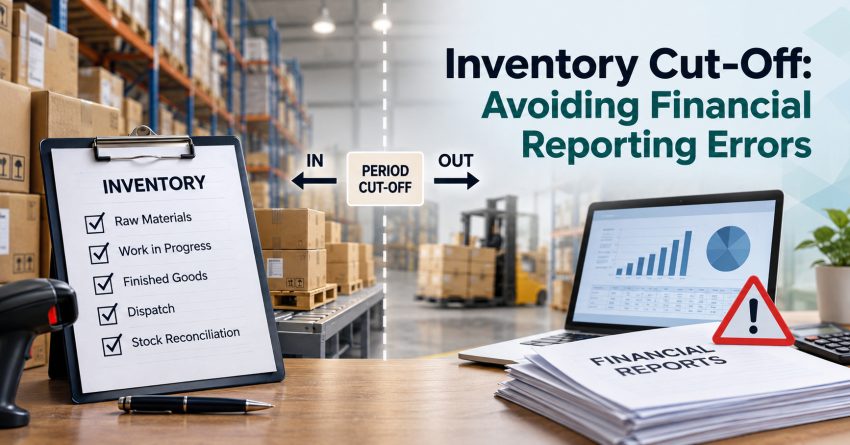
Inventory Cut-Off: Avoiding Financial Reporting Errors
For many businesses, especially manufacturing, retail, distribution, and trading companies, inventory is a large part of their financial reports. The accuracy of the inventory amounts relies not only on the actual amount of stock on hand, but also on the period in which inventories are purchased, sold, received and dispatched. These transactions can result in…
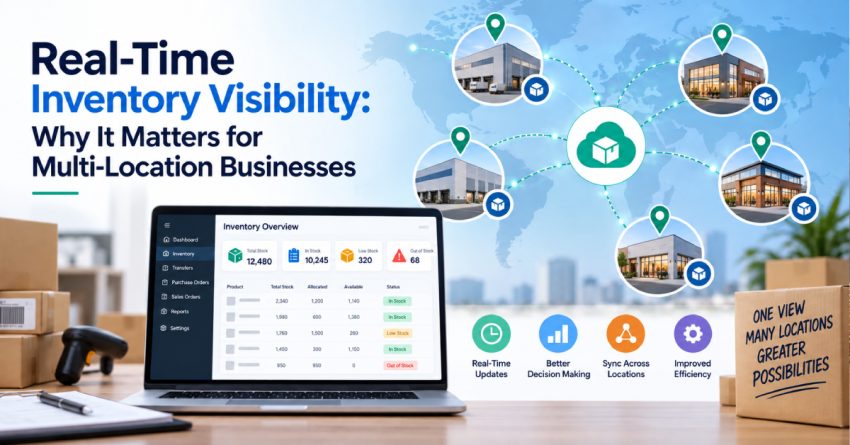
Real-Time Inventory Visibility: Why It Matters for Multi-Location Businesses
Inventory management becomes much more complicated when a company has multiple stores, warehouses, branches or distribution centers. The amount of product, sales volume, reorder policies, and customer buying patterns will vary from site to site. Inaccurate and late information can hinder businesses from avoiding stockouts, overstocking, late orders and poor buying decisions. Real-time visibility in…
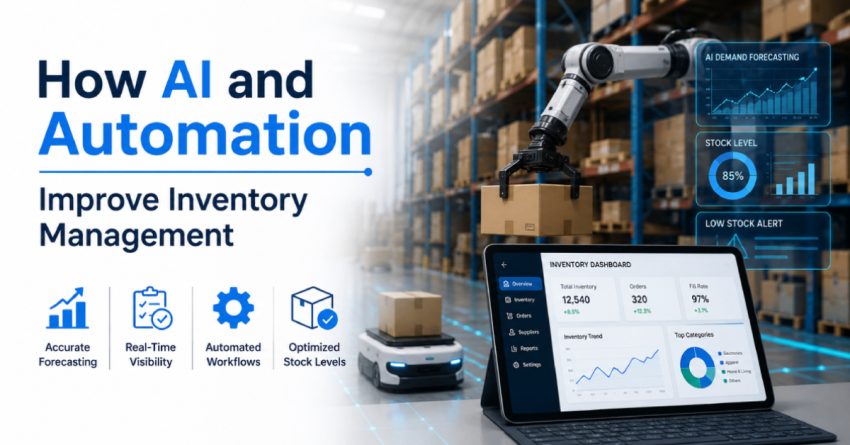
How AI and Automation Improve Inventory Management
Inventory management has become increasingly complex as businesses deal with changing customer demand, expanding product portfolios, and global supply chains. Traditional inventory systems that rely on manual processes or historical estimates often struggle to maintain the right balance between stock availability and operational costs. Artificial intelligence (AI) and automation are changing how organizations manage inventory…
How Inventory Management Supports FMCG Businesses
Fast-moving consumer goods (FMCG) businesses operate in a highly competitive environment where speed, accuracy, and efficiency are essential. Products such as packaged foods, beverages, toiletries, and household items experience constant demand and rapid stock movement. Managing these products effectively requires strong operational systems that can handle fluctuating customer needs, large inventories, and complex supply chains….
Inventory Verification: Why It Is Critical for Business Accuracy
Inventory is one of the greatest assets in the balance sheet of any product-based business. Regardless of whether the company is involved in manufacturing, retail, distribution, or e-commerce, proper stocking records are the key to the successful operations and financial stability of the company. Inventory verification is an important business practice at this point. False…
What Is Inventory Verification and Why It Is Critical for Businesses
In today’s competitive marketplace, effective inventory management plays a crucial role in maintaining profitability and operational efficiency. One key aspect of this process is Inventory Verification. Without accurate inventory records, businesses risk financial losses, operational disruptions, and customer dissatisfaction. Understanding what inventory verification is and why it matters can help organizations build stronger internal controls…
Inventory Verification: A Key Control in Manufacturing Operations
Inventory is one of the most valuable assets in manufacturing industries. It includes raw materials, work-in-progress (WIP), finished goods, spare parts, and consumables. Effective inventory verification ensures that physical stock matches recorded data, helping manufacturers maintain control over their operations. This blog explains the meaning, importance, and process of inventory verification in manufacturing industries. Meaning…
Key Methods for Physical Inventory Verification
The most important assets of a business are inventory. It has a direct influence on financial reporting, efficiency of operation, and customer satisfaction. To be more accurate, the businesses should perform frequent examinations to make sure that inventory records are correct and in line with real stock. This is referred to as physical verification of…
Physical vs. Perpetual Inventory Audits: Finding the Right Fit for Your Business
Effective handling of inventory is one of the essential components of managing any goods related business. Frequent checking can assist in maintaining stock records (being correct) and not letting any discrepancies pass unnoticed. It is here where inventory audit procedures become significant. There are many ways to approach auditing, but physical and perpetual audits are…