It is important to understand that growth for a business not only means revenue growth and market share expansion. Businesses also have to pay attention to the environment they work in, treatment of employees and corporate governance issues. The concept of ESG provides a framework for assessing such aspects. A proper ESG strategy consulting can…

Category: Valuation
Inventory Management vs Verification: What’s the Difference?
Inventory accuracy is important for businesses involved in manufacturing, retail, warehousing and distribution. Accurate inventory records help businesses control costs, prevent stock-outs and plan purchases effectively. However, inventory management and inventory verification serve different purposes. Understanding the difference helps organisations maintain reliable stock records and improve operational efficiency. What Is Inventory Management? The term inventory…
Financial Modelling: Why Assumptions Matter in Business Planning
Business planning involves making decisions about growth, investments, expenses and future profitability. However, these decisions depend on factors that can change, including market demand, operating costs, interest rates and customer behaviour. Financial models help businesses estimate how these factors may affect future financial performance. Their reliability, however, depends on the quality of the assumptions on…
Debt vs Equity: Building the Right Capital Structure
Choosing between debt and equity is an important decision for companies that want to grow their business, invest into their operations or maintain working capital. Both options allow organizations to raise funds, but they have different implications for the company’s ownership structure and cash flow. Corporate financial management involves evaluating these factors and building a…
Business Valuation for Fundraising: Why Assumptions Matter
Businesses have to make their financial capacity apparent and tell how much they could be worth in their operations during the act of fundraising. Investors review forecasted revenues, profitability, market and growth prospects before investing. Such forecasts, however, rely on assumptions that may or may not turn out to be correct. A sound estimate of…
FC-GPR vs FC-TRS: Which Filing Applies?
Foreign investment reporting can become confusing when a company has to determine whether a transaction should be reported through FC-GPR or FC-TRS. Both forms are used for reporting foreign investment transactions, but they apply to different situations. The key distinction is simple: FC-GPR generally applies when an Indian company issues equity instruments to a person…
Transfer Pricing Benchmarking: Common Errors to Avoid
Transfer pricing benchmarking is used to evaluate whether pricing between associated enterprises is consistent with the arm’s-length principle. It generally involves identifying comparable uncontrolled transactions or independent companies and comparing their prices, margins, or financial results with those of the tested transaction or entity. Benchmarking may appear straightforward, but small errors in functional analysis, comparable…
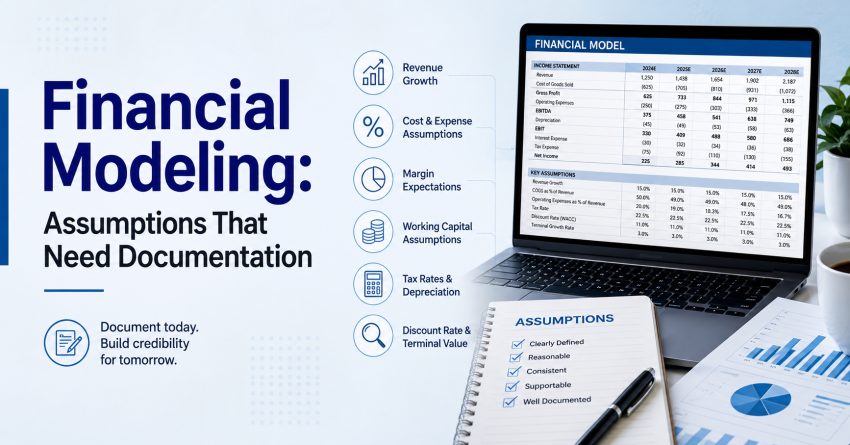
Financial Modeling: Assumptions That Need Documentation
Financial models can be used to assist in budgeting, forecasting, fundraising, mergers and acquisitions, and strategic planning. But a financial model can only so much as be trusted, and the reliability of the model depends on the reliability of its assumptions. Inaccurate forecasts, inconsistent decision-making and loss of stakeholder confidence are possible when poorly documented…
Business Valuation during Financial Distress: Key Considerations
Financial distress can occur in businesses of any size and can be caused by various factors, including economic recession, declining income, high debt, operational problems, and market disruptions. In such cases, the true valuation of business becomes crucial, and a professional business valuation can provide stakeholders with an objective assessment of the company’s financial position….
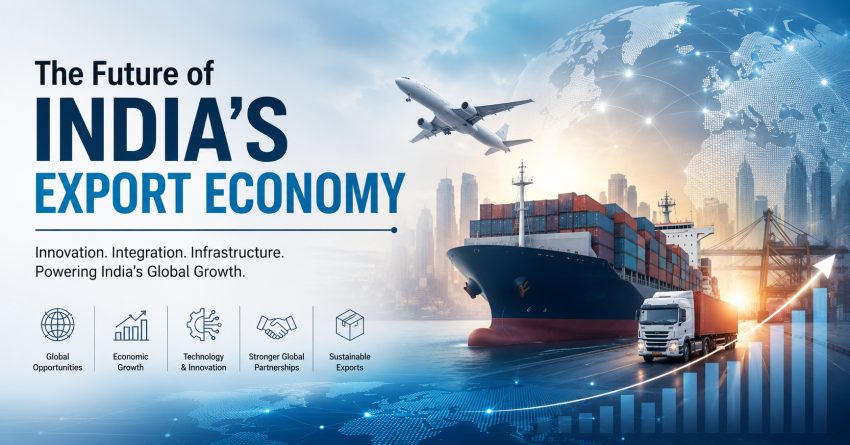
The Future of India’s Export Economy
India’s export sector is entering a crucial phase. Though geopolitical problems, disruption in the supply chain and changes in tariff regulations continue to disrupt the flow of international trade, India has developed a competitive edge through its strong manufacturing and services sectors. As businesses find themselves struggling to survive in an increasingly difficult environment in…