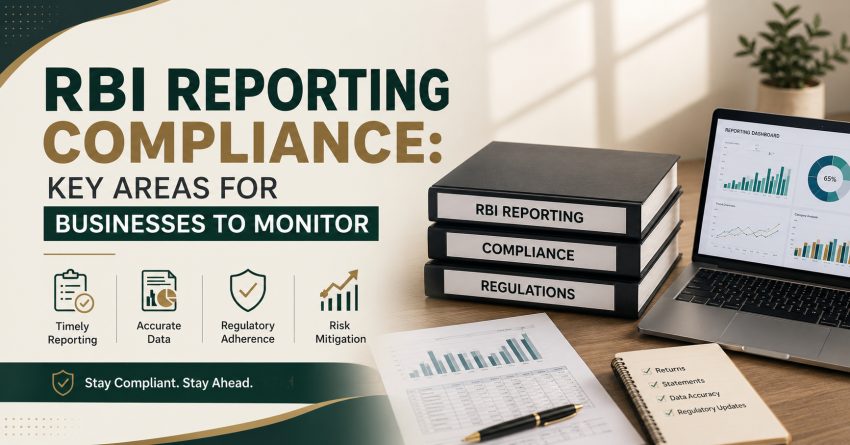
With the growth of enterprises and expansion of their business processes, either domestically or internationally, there are constant changes in the regulatory environment of India. It is important for businesses that engage in foreign investment, international business dealings, external commercial borrowings, and international business transactions to comply with applicable RBI regulations. This will reduce the…
Tag: Compliance management
How Machine Learning Is Transforming Modern Internal Audits
The concept of internal audit has evolved substantially over the last few years. Organizations have stopped being constrained by having to rely on manual auditing, sampling, and periodic assessments in order to discover any risks. Machine learning is becoming increasingly popular as a tool to improve the audit process by increasing its quality, speed, and…
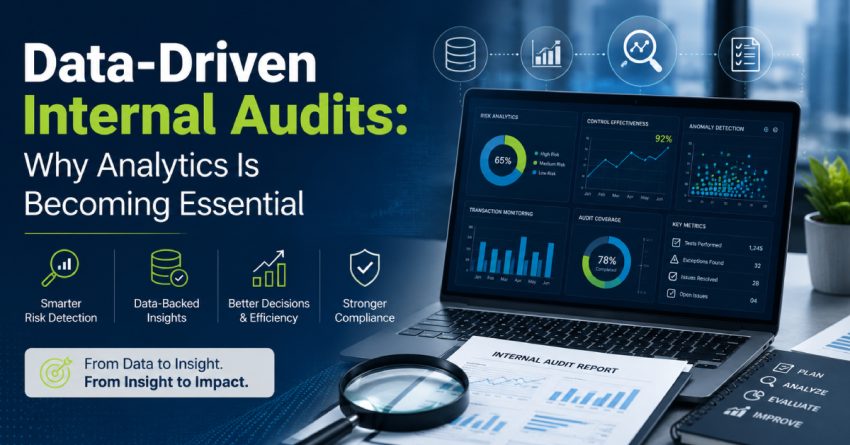
Data-Driven Internal Audits: Why Analytics Is Becoming Essential
There is a vast amount of financial and operational data that is generated by businesses today. But gathering data is not the final objective. Organizations seek meaningful insights to better understand risks, strengthen compliance, and support informed decision-making. This is where the role of Data Analytics in the Audit is changing. Today, internal audit services…
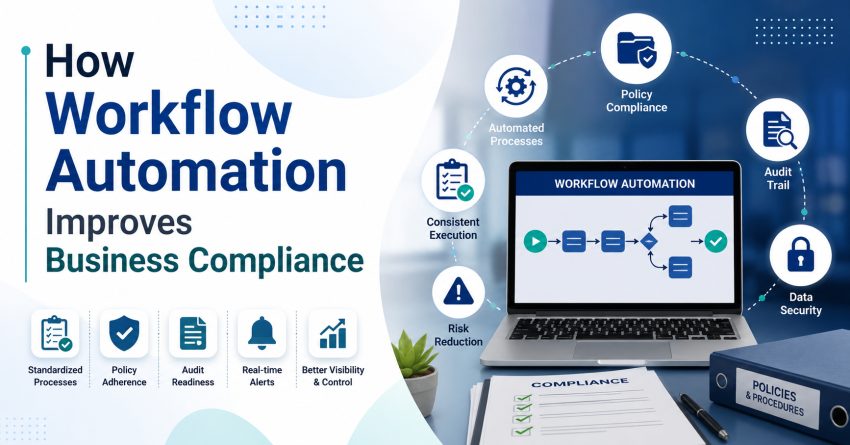
How Workflow Automation Improves Business Compliance
Today’s business isn’t just about sales, operations and customer relations. Companies also have to keep up with ever-changing regulatory standards, keep their books in order, pay taxes on time, and follow industry regulations. With the growth of businesses, this is a very difficult task to do manually. This is where workflow automation can have a…
Why Standardization Matters in Global Finance Shared Services
With business growth and expansion into other countries, the management of finances is becoming more complicated than ever before. Organizations face challenges of working in different systems, accounting practices, foreign currencies, and regulatory frameworks. To make these financial activities effective and efficient, it becomes important to have shared service centers for all such tasks. The…
Why Evidence Preservation Matters in Forensic Accounting
Today, the business world faces more complex cases of fraud, cyber-crime, and corporate disagreements. Businesses have turned to forensic accounting to conduct investigations of suspected cases, identify any financial discrepancies, and make them legally acceptable. In this regard, one of the most important elements of the process is evidence preservation. If there is no proper…
How Assurance and Accounting Drive Long-Term Business Sustainability
In the current world of tough business competitions, sustainability does not only involve being environmentally friendly but also involves issues like sound finance, good governance, accountability and growth. Companies which intend to be successful for many years have to develop robust financial structures and sustain stakeholder confidence. This is where Assurance and Accounting play an…
How ERP Simplifies Multi-Location Business Management
Managing a business with multiple branches, offices, warehouses, or production units can become increasingly complex as operations expand. Companies often struggle with maintaining consistency, monitoring performance, and coordinating activities across different locations. This is where Enterprise Resource Planning plays a significant role in simplifying business management and improving operational visibility. Centralized Data Management One of…
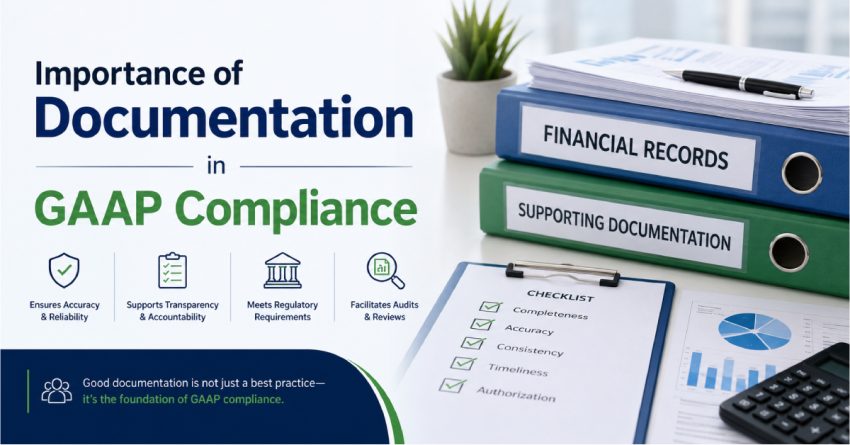
Importance of Documentation in GAAP Compliance
Adequate accounting is vital for any business to succeed, and documentation is essential in ensuring accuracy in accounting. According to the Generally Accepted Accounting Principles, documentation is a fundamental aspect of accounting rather than a mere procedural step. Companies that document their activities effectively find it easier to comply with regulations and earn the confidence…
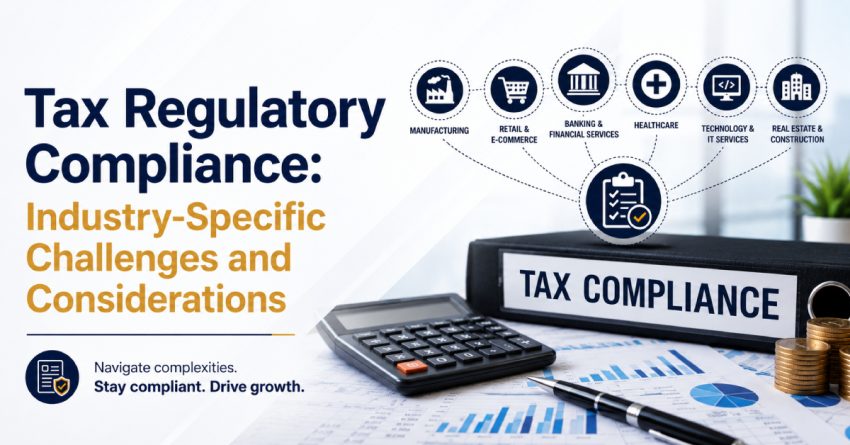
Tax Regulatory Compliance: Industry-Specific Challenges and Considerations
A very important task of businesses in all sectors is tax regulatory compliance. Although the fundamental premises of taxation could be similar, the reality is very different and can be highly varied in different industries. The industries have their own challenges based on operational models, revenue structure, and regulatory expectation. These differences are crucial in…