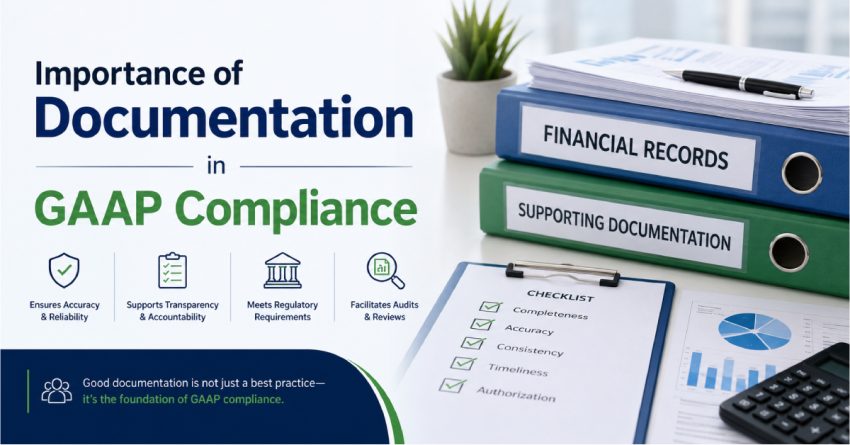
Adequate accounting is vital for any business to succeed, and documentation is essential in ensuring accuracy in accounting. According to the Generally Accepted Accounting Principles, documentation is a fundamental aspect of accounting rather than a mere procedural step. Companies that document their activities effectively find it easier to comply with regulations and earn the confidence of their stakeholders.
Ensuring Accuracy and Reliability
A significant reason why accounting documentation is done in accordance with Generally Accepted Accounting Principles is to maintain the accuracy and reliability of the data. Each transaction must have adequate evidence, such as invoices, receipts, agreements, or bank statements. Such documents will be used to support the legitimacy and accuracy of the accounting entry.
When there are no documents for each entry, there will be some doubts about its validity and accuracy. The presence of these documents will help maintain reliable accounting records.
Supporting Audit and Compliance
Accounting documentation is critical in internal and external auditing processes. Auditors depend on evidence to check whether the entity complies with Generally Accepted Accounting Principles. Documentation makes it easy and quick to conduct an audit.
The lack of documentation may result in audit problems, fines, or even legal action against the entity. Conversely, if documentation is conducted well, there will be fewer problems with regulations, particularly for companies listed in the stock market.
Enhancing Transparency and Accountability
One of the goals of GAAP is improved transparency, and through accurate documentation, transparency can be achieved. Proper documentation will enable the stakeholders in the organization to have clarity on how financial decisions are made.
Proper documentation leads to improved accountability within the business firm. The employees who are involved in the financial operations of the organization are less likely to commit any fraud since they know their actions will be monitored and evaluated.
Facilitating Decision-Making
With proper documentation, decision-making within the business firm becomes easier. Financial data helps the management of the firm in budgeting and allocation of resources. This is important in the achievement of organizational goals.
As per GAAP, consistency in the documentation process results in improved financial data comparability within an organization.
Streamlining Financial Processes
Documentation also aids in enhancing the efficiency of processes. If documentation is handled appropriately and efficiently, workers will always be able to access documentation easily. This process will reduce any chances of delay, thus increasing efficiency, especially when undergoing auditing, filing taxes, or carrying out financial analysis.
In addition, digital technologies and software used in accounting have made documentation much more convenient than before. This integration between technology and GAAP helps increase efficiency and accuracy in accounting.
Conclusion
In conclusion, it is crucial to emphasize the significance of proper documentation under the principles of Generally Accepted Accounting Principles. Proper documentation increases accuracy, allows efficient auditing, promotes transparency, and helps make sound decisions. Organizations that place emphasis on proper documentation will not only comply with the guidelines set by GAAP but also create a foundation for future success.
Frequently Asked Questions
Q: Why is documentation important under Generally Accepted Accounting Principles (GAAP)?
A: Under GAAP, documentation is a fundamental requirement — not just a procedural step. It ensures the accuracy and reliability of financial records, supports regulatory compliance, and builds stakeholder confidence in a company’s financial reporting.
Q: What types of documents are required to support accounting entries under GAAP?
A: Every transaction must be backed by adequate evidence such as invoices, receipts, agreements, or bank statements. These documents validate the legitimacy and accuracy of each accounting entry and are essential during audits.
Q: How does GAAP documentation improve transparency and accountability?
A: Proper documentation gives stakeholders clarity on how financial decisions are made. It also discourages fraud, as employees involved in financial operations know their actions are being monitored and can be reviewed at any time.
Q: How does proper documentation streamline financial processes?
A: When documents are well-organized and easily accessible, tasks like tax filing, auditing, and financial analysis become faster and more efficient. Digital accounting tools further enhance this by making documentation more convenient and accurate than traditional manual methods.
Q: What are the risks of inadequate documentation under GAAP?
A: Without proper documentation, accounting entries lose credibility, audit processes become difficult, and companies face higher risks of regulatory penalties, legal consequences, and loss of stakeholder trust.
Also Read: From GAAP to IND AS: Embracing the evolution of financial reporting