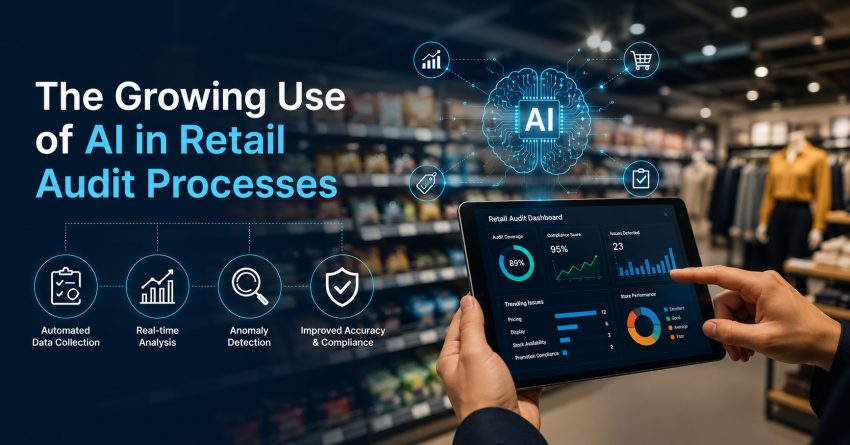
Retail businesses operate in an environment where inventory, sales, customer transactions, supplier relationships, and regulatory requirements are constantly changing. Conducting retail audits through traditional manual methods can be time-consuming and may not always provide real-time insights needed for effective decision-making. Artificial intelligence (AI) changes how retail audits are planned, executed, and analyzed. By combining intelligent…
Tag: operational efficiency
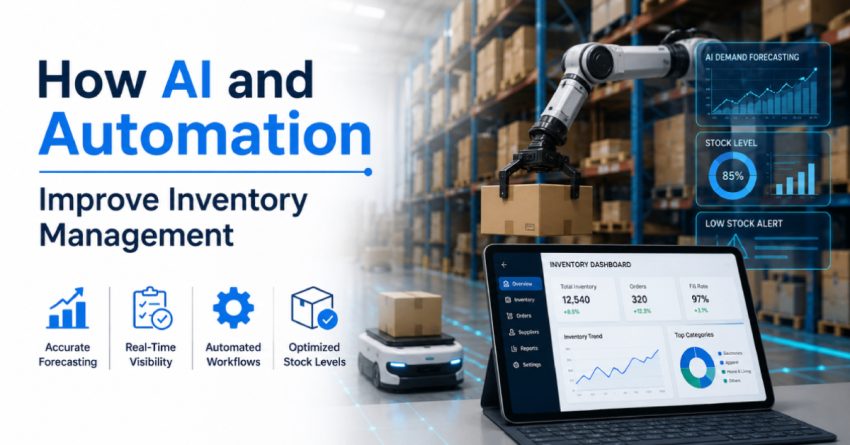
How AI and Automation Improve Inventory Management
Inventory management has become increasingly complex as businesses deal with changing customer demand, expanding product portfolios, and global supply chains. Traditional inventory systems that rely on manual processes or historical estimates often struggle to maintain the right balance between stock availability and operational costs. Artificial intelligence (AI) and automation are changing how organizations manage inventory…
Why AI-Ready Global Capability Centres Matter
Artificial intelligence (AI) transforms how organizations manage operations, make decisions, and deliver value. As businesses expand across markets, they are increasingly looking for operational models that combine efficiency with intelligence. This shift has brought new attention to AI-ready Global Capability Centres (GCCs), which are evolving from traditional support functions into strategic centres for innovation, analytics,…
How AI and Hyper automation Are Reshaping BPO
AI and hyper automation are transforming Business Process Outsourcing (BPO) by combining intelligent automation, predictive analytics, document intelligence, and AI-assisted decision-making. Together, these technologies reduce repetitive work, improve accuracy, accelerate business processes, and help organizations build more adaptive and data-driven operations. Think about a business that processes thousands of invoices, customer requests, compliance documents, and…
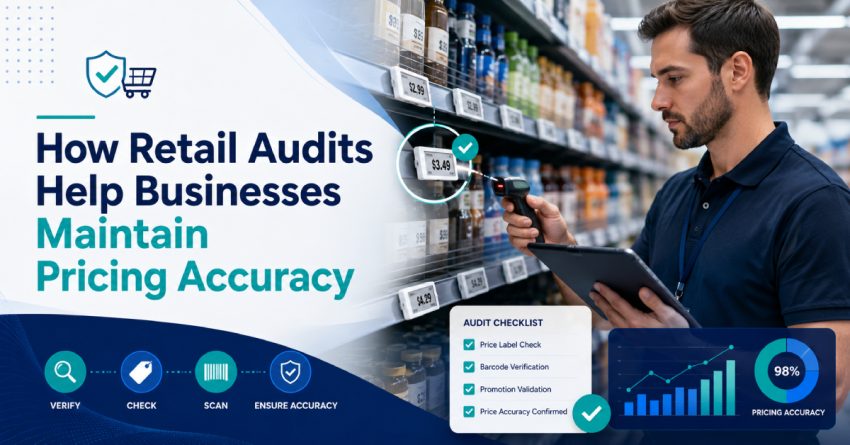
How Retail Audits Help Businesses Maintain Pricing Accuracy
One of the critical aspects to the success of retail stores is pricing accuracy. Their cost in the bill must match the one displayed in their retail outlet and the one advertised during their promotional campaigns. The slightest discrepancy in cost may lead to customer dissatisfaction, non-compliance, revenue leakage, and a drop in customers’ confidence…
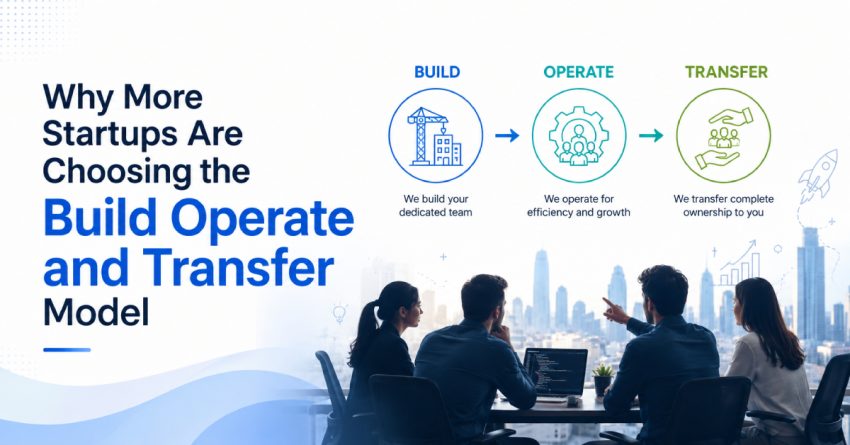
Why More Startups Are Choosing the Build Operate and Transfer Model
In today’s business scenario, where competition exists everywhere and companies are looking for means to expand their operations and at the same time minimize their risks and keep costs to a minimum, it becomes important for them to adopt a certain model. Entering new markets, acquiring skills, and having good operational infrastructure are some of…
Why Even the Best SOPs Fail Without Employee Training
For an organization to be successful there must be some process or workflow that keeps them productive and maintains their quality standards. The standard operating procedures give the employees guidelines on how to do things correctly and effectively. But for all this to be possible, there must be proper training of the employees, since without…
How the 5 Steps of Business Process Reengineering Improve Operational Efficiency
In the current highly competitive world, companies always strive to be more productive and to minimize costs to provide customers with improved experience. There are various strategies which can help companies meet such objectives; one of the most important among them is business process reengineering (BPR). This involves streamlining the activities within an organization and…
Operations Management Process and Its Impact on Working Capital Management
For businesses to be able to grow, smooth operations and good financial standing are two things that should be ensured. Besides sales and consumer demands, good internal processes are also required to ensure smooth finances for the business. The area in which operational efficiency affects business finances the most is that of working capital management….
How Inventory Management Supports FMCG Businesses
Fast-moving consumer goods (FMCG) businesses operate in a highly competitive environment where speed, accuracy, and efficiency are essential. Products such as packaged foods, beverages, toiletries, and household items experience constant demand and rapid stock movement. Managing these products effectively requires strong operational systems that can handle fluctuating customer needs, large inventories, and complex supply chains….