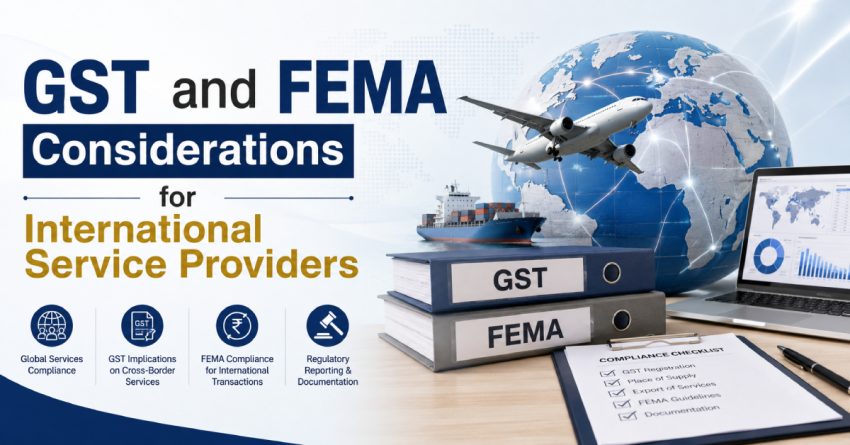
International service providers who provide their services in India and in foreign markets have to deal with several regulatory requirements along with cross-border transactions. Two key focus areas that need to be looked into are Goods and Services Tax (GST) and Foreign Exchange Management Act (FEMA). The foreign exchange regulations are dealt with by FEMA…
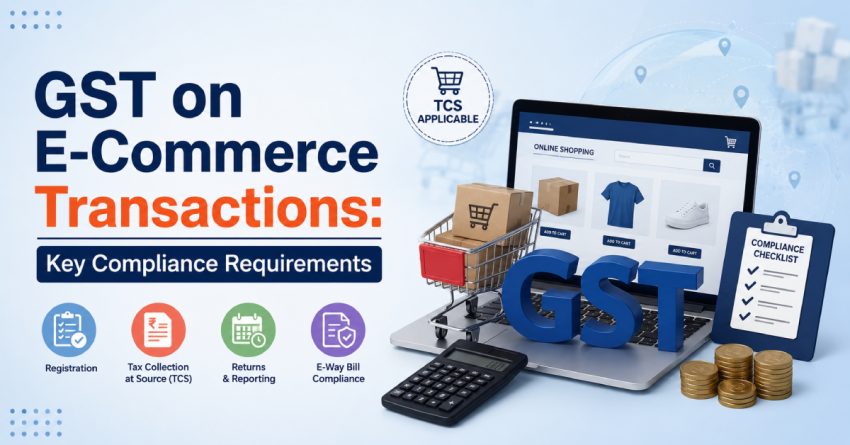
GST on E-Commerce Transactions: Key Compliance Requirements
The surge of e-commerce has transformed the ways in which businesses are selling their products and services, but it has also added new tax compliance obligations. It is important for sellers, e-commerce operators, and some service providers to know how Goods and Services Tax (GST) is applicable to online transactions, collections made via marketplace and…
TDS Return Filing: Key Information and Timelines
Tax Deducted at Source (TDS) is a crucial aspect of tax compliance in India. Applicable deductions and payment of such deductions to government within prescribed timelines is to be done by the applicable deductors for businesses. However, this is not the only responsibility of TDS deductions. The other is the correct reporting through TDS returns…
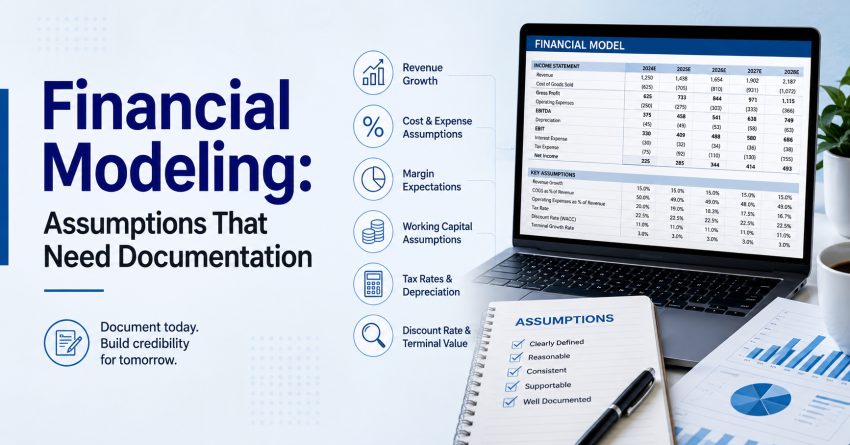
Financial Modeling: Assumptions That Need Documentation
Financial models can be used to assist in budgeting, forecasting, fundraising, mergers and acquisitions, and strategic planning. But a financial model can only so much as be trusted, and the reliability of the model depends on the reliability of its assumptions. Inaccurate forecasts, inconsistent decision-making and loss of stakeholder confidence are possible when poorly documented…
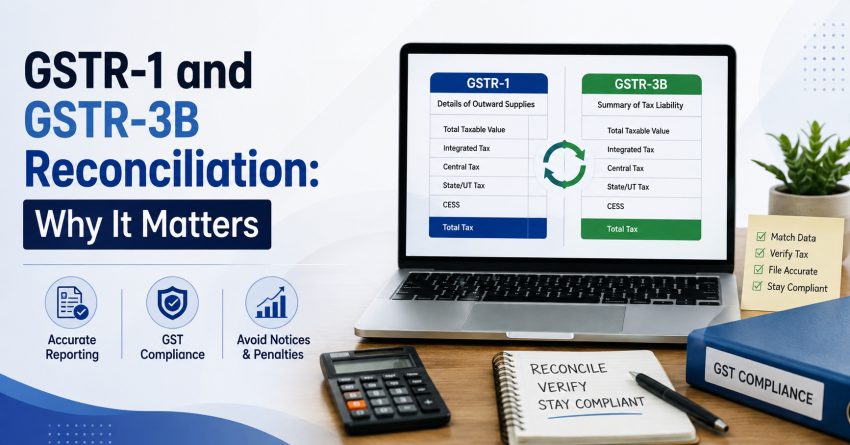
GSTR-1 and GSTR-3B Reconciliation: Why It Matters
Good GST compliance is about much more than timely filing. The businesses should also ensure that the details provided in GSTR-1 are in sync with the details provided in GSTR-3B. If there is a discrepancy in these returns, it may result in notices from the tax authorities, wrong tax filing and compliance issues. This is…
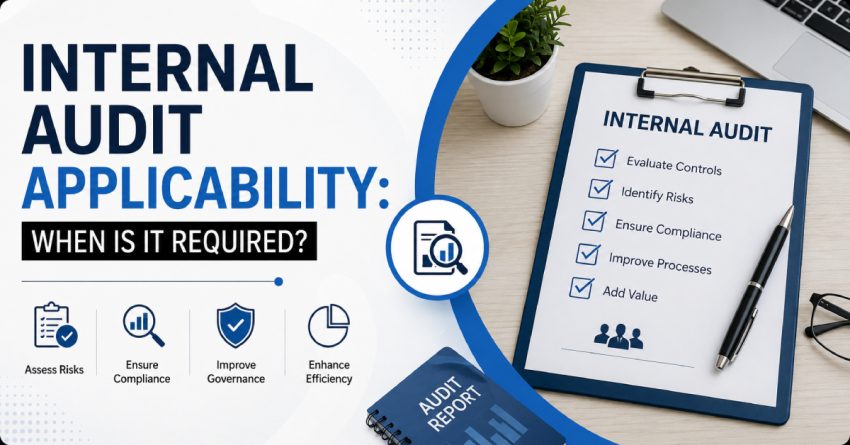
Internal Audit Applicability: When Is It Required?
In today’s business environment, knowing how to apply internal audits is key to maintaining good governance, risk management, and regulatory compliance. Internal auditing can happen in a number of ways: either, through a voluntary decision by many organizations to make their operations more efficient; or, in certain instances, because law and regulation demand an internal…
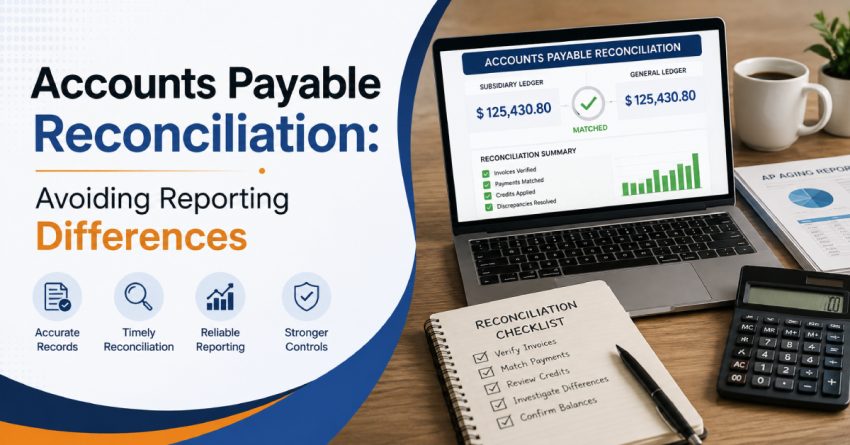
Accounts Payable Reconciliation: Avoiding Reporting Differences
Each transaction within an organization is important for maintaining financial accuracy and integrity. Accounts payable reconciliation is one of the most crucial procedures that will be used to achieve this accuracy. Even small discrepancies between statements from suppliers, purchase records, and accounting records can create gaps in reporting, which influence financial statements, cash flow and…
Audit Planning: How Audit Procedures Are Decided
The first step to a successful internal audit is to develop an audit plan. If not planned properly, auditors could miss crucial threats to the business, use precious resources, or not give relevant feedback to management. The foundation of the audit plan is the areas to audit, procedures to conduct, and evidence to gather to…
Limitation of Liability Clauses: Understanding Your Contractual Risk
Contracts are the very foundation of business relations as they highlight the rights, duties, and obligations of each party. In this direction, limitations of liability clauses are among the most important clauses included in commercial agreements. The primary objective of these clauses is to specify how much financially a party will owe in the event of…
From Chaos to Consistency: How SOPs Strengthen Business Processes
Increasingly, growing businesses find themselves becoming more complicated in terms of performing daily operations. What was adequate before in terms of informal communication and individual knowledge may not work anymore as the team grow, or when there is a new branch of a company that opens, leading to increased customers’ demands. The lack of standardization…