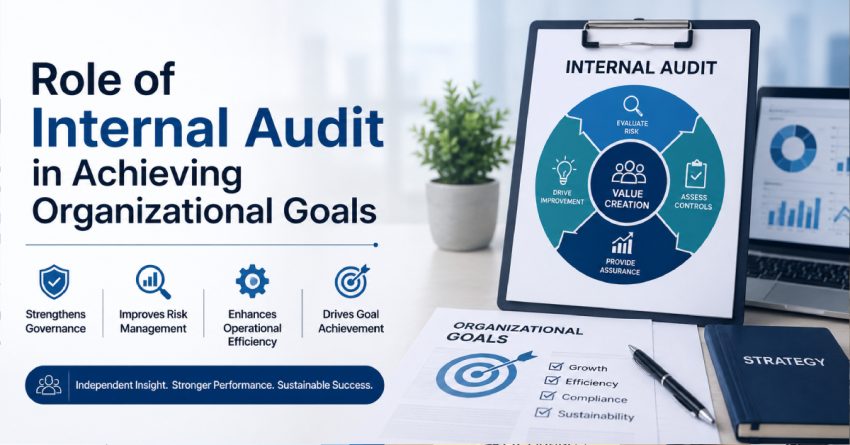
In today’s dynamic business environment, organizations must ensure that every function contributes to achieving strategic objectives. One such critical function is Internal Audit, which has evolved from a traditional compliance-focused role to a strategic partner that adds value across the enterprise. Aligning Internal Audit with organizational strategy and goals is essential for enhancing performance, managing risks, and driving sustainable growth.
Understanding Organizational Strategy
Organizational strategy outlines the long-term vision, mission, and objectives of a business. It defines priorities such as market expansion, operational efficiency, digital transformation, and risk management. For Internal Audit to be effective, it must have a clear understanding of these strategic goals. This alignment ensures that audit activities are not performed in isolation but are directly linked to what the organization aims to achieve.
By focusing on strategic priorities, audit teams can identify potential risks that may hinder progress and provide actionable insights to mitigate them. This proactive approach elevates the role of Internal Audit from a reactive function to a forward-looking advisory service.
Integrating Risk-Based Auditing
An important part of aligning the Internal Audit with the strategic priorities of an organization is the use of a risk-based approach. In this way, it will be possible to focus on the areas with higher risks and greater importance. All audit work will not be equal in importance; rather, it will be based on risk analysis.
For instance, if the priority area of an organization is digital transformation, then Internal Audit should be able to audit IT-related processes in the organization.
Enhancing Communication and Collaboration
It is important that communication between the audit team and senior managers be effective to ensure alignment. The Internal Audit Department should regularly consult stakeholders about their changing needs and risks so that it can design audits that are strategically relevant.
In addition, by ensuring clear communication about the results of audits and the recommendations derived from them, managers can make better decisions. In addition, by building strong relationships with senior executives, Internal Audit can become an adviser rather than a regulatory agency.
Leveraging Technology and Data Analytics
Today’s auditing involves much use of technology. Using data analysis and technology, Internal Audit can analyze its findings in greater detail, detect patterns, and assess how they affect strategic goals.
Modern analytics allow auditors to analyze entire datasets instead of relying on sampling. It increases the reliability of conclusions drawn by auditors.
Driving Continuous Improvement
The process of aligning Internal Audit to organization’s strategy cannot be a one-off procedure. It requires continual reassessment and improvement in order to make the process more efficient and productive. Audit plans need to be reviewed and adjusted in accordance with changes that may occur in the business environment and within organization.
The involvement of stakeholders in providing feedback, lessons learnt from previous audits may become additional ways of making the audit process more productive.
Conclusion
Aligning Internal Audit activities with an organizational strategy and its goals turns it into a very important factor in delivering success. The focus on the key strategic aspects of business, implementation of risk-based approach, utilization of technology and maintaining communication will result in high effectiveness of the auditing process.
Frequently Asked Questions
Q: Why should internal audit align with business strategy?
A: Aligning internal audits with organizational strategy ensures that audit activities are directly linked to the company’s long-term goals — such as market expansion, operational efficiency, and risk management. This transforms internal audits from a compliance function into a forward-looking advisory service that drives sustainable growth.
Q: How has the role of internal audit evolved in modern businesses?
A: Internal audit has shifted from a traditional compliance-focused role to a strategic partner that adds value across the enterprise. Today, it proactively identifies risks that could hinder strategic progress and provides actionable insights into leadership.
Q: What is risk-based auditing and how does it support organizational strategy?
A: Risk-based auditing focuses audit efforts on areas with the highest risks and strategic importance rather than treating all audit work equally. For example, if an organization’s priority is digital transformation, internal audits should focus on IT-related processes and associated risks.
Q: How does technology and data analytics enhance internal audit?
A: Modern analytics tools allow auditors to analyze entire datasets instead of relying on sampling, improving the accuracy and reliability of audit conclusions. Technology also helps detect patterns and assess how findings impact strategic goals more effectively.
Q: Why should internal audit plans be reviewed regularly?
A: Business environments and organizational priorities change over time. Audit plans must be regularly reviewed and adjusted to stay relevant. Stakeholder feedback and lessons learned from previous audits further strengthen the audit process over time.
Also Read: Internal Audit in Strategic Planning: Role in Decision-Making and Growth