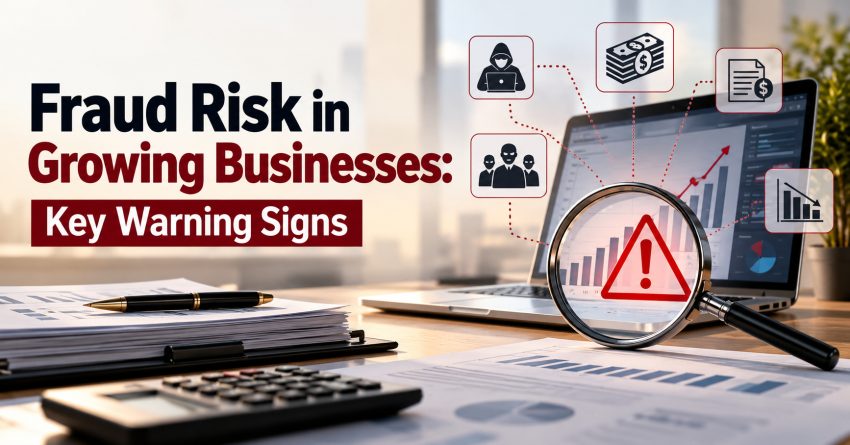
While rapid growth brings new opportunities, it also has the potential to raise new risks of fraud that may not be readily detected during routine financial reviews. When transactions start to grow there will be more teams and more complex processes, control gaps can emerge and go unnoticed. Forensic accounting and fraud detection can be…
Tag: Internal Audit
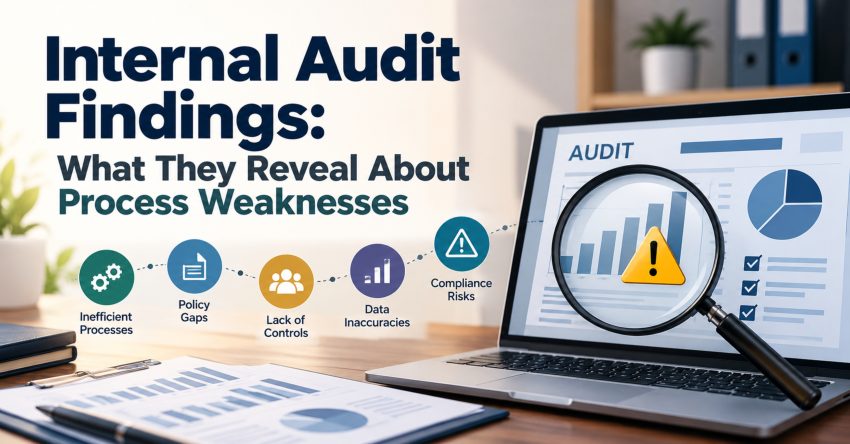
Internal Audit Findings: What They Reveal About Process Weaknesses
Businesses may examine individual errors when reviewing operational issues; however, repeated observations can indicate underlying weaknesses in business processes. An internal audit can assess controls, procedures, documentation, approvals and responsibilities to identify process weaknesses. Analysing observations collectively can provide insights into operational efficiency, compliance, financial accuracy and risk management across different functions. Looking Beyond Individual…
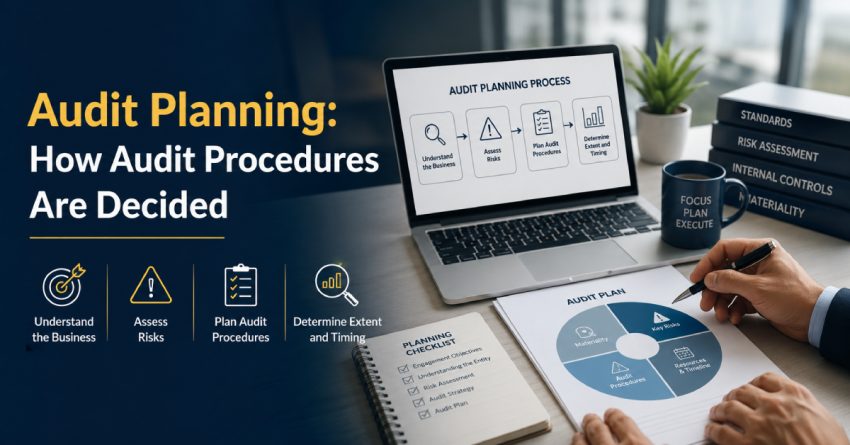
Audit Planning: How Audit Procedures Are Decided
The first step to a successful internal audit is to develop an audit plan. If not planned properly, auditors could miss crucial threats to the business, use precious resources, or not give relevant feedback to management. The foundation of the audit plan is the areas to audit, procedures to conduct, and evidence to gather to…
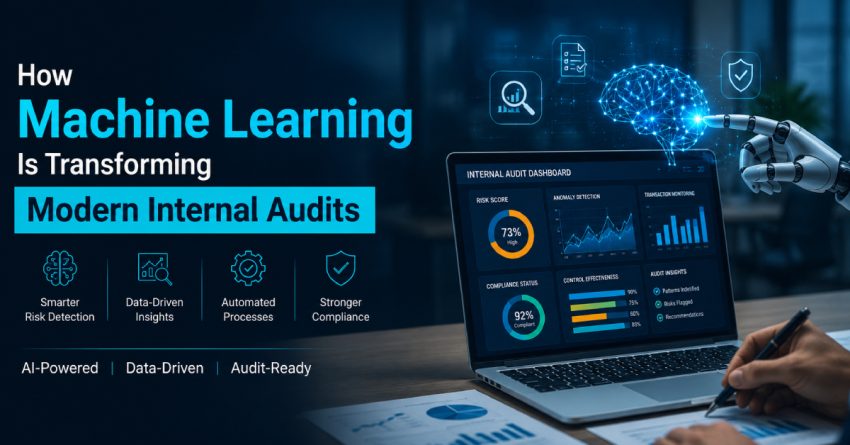
How Machine Learning Is Transforming Modern Internal Audits
The concept of internal audit has evolved substantially over the last few years. Organizations have stopped being constrained by having to rely on manual auditing, sampling, and periodic assessments in order to discover any risks. Machine learning is becoming increasingly popular as a tool to improve the audit process by increasing its quality, speed, and…
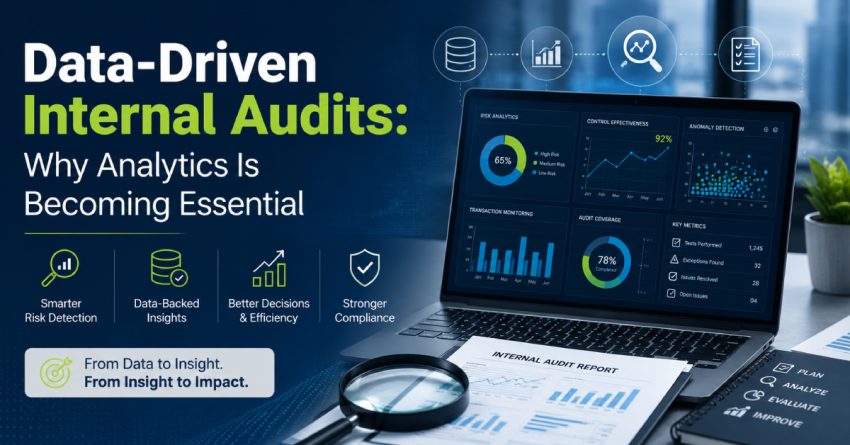
Data-Driven Internal Audits: Why Analytics Is Becoming Essential
There is a vast amount of financial and operational data that is generated by businesses today. But gathering data is not the final objective. Organizations seek meaningful insights to better understand risks, strengthen compliance, and support informed decision-making. This is where the role of Data Analytics in the Audit is changing. Today, internal audit services…
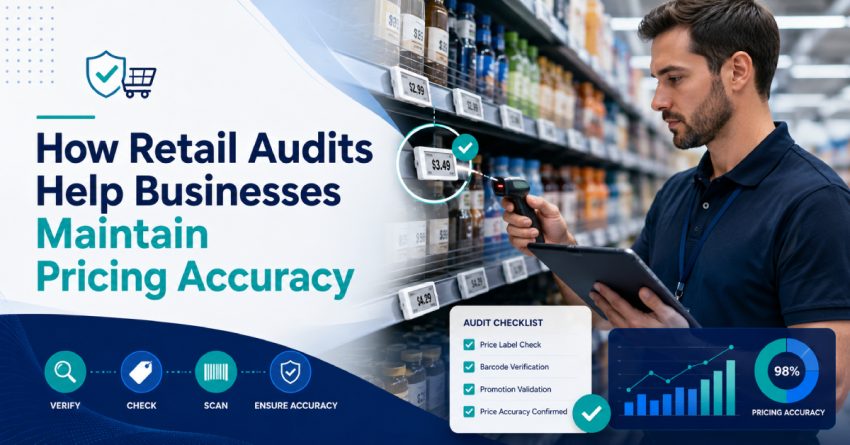
How Retail Audits Help Businesses Maintain Pricing Accuracy
One of the critical aspects to the success of retail stores is pricing accuracy. Their cost in the bill must match the one displayed in their retail outlet and the one advertised during their promotional campaigns. The slightest discrepancy in cost may lead to customer dissatisfaction, non-compliance, revenue leakage, and a drop in customers’ confidence…
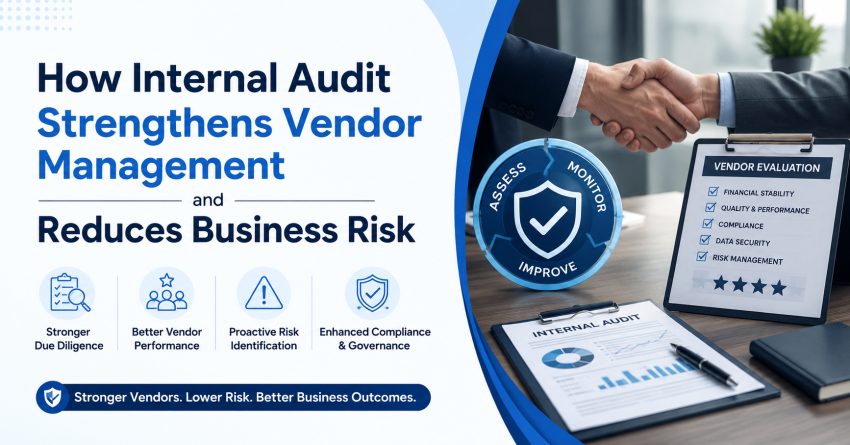
How Internal Audit Strengthens Vendor Management and Reduces Business Risk
Effective vendor management is crucial for ensuring efficiency, managing expenses, and promoting business continuity. In today’s world, businesses use the services of many third-party vendors to provide them with different kinds of products and services. At the same time, poor vendor management could be detrimental for a company because it may result in compliance problems,…
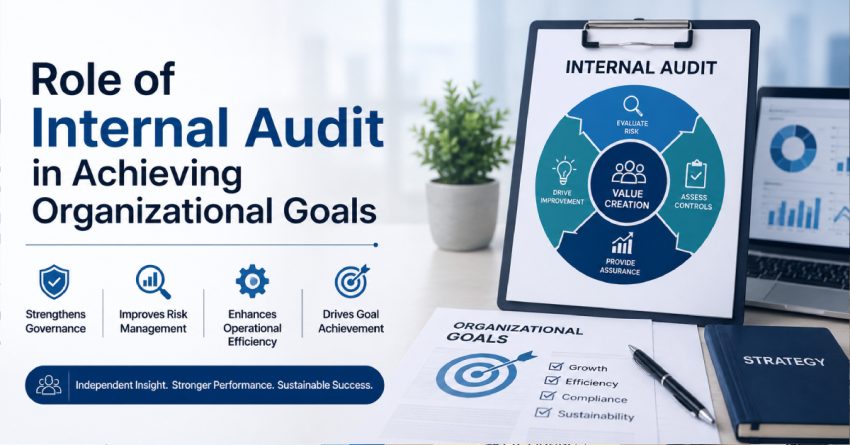
Role of Internal Audit in Achieving Organizational Goals
In today’s dynamic business environment, organizations must ensure that every function contributes to achieving strategic objectives. One such critical function is Internal Audit, which has evolved from a traditional compliance-focused role to a strategic partner that adds value across the enterprise. Aligning Internal Audit with organizational strategy and goals is essential for enhancing performance, managing…
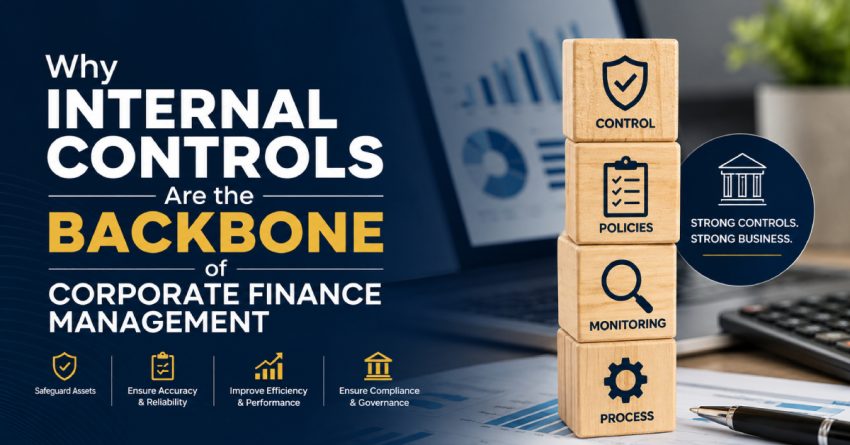
Why Internal Controls Are the Backbone of Corporate Finance Management
Financial discipline in the contemporary business world is not only about making profits but also about protecting them. Internal controls are designed procedures and policies that help ensure the accuracy of financial reporting, reduce the risk of fraud, and improve operational efficiency. They are an important tool in corporate finance management when properly applied. Knowledge…
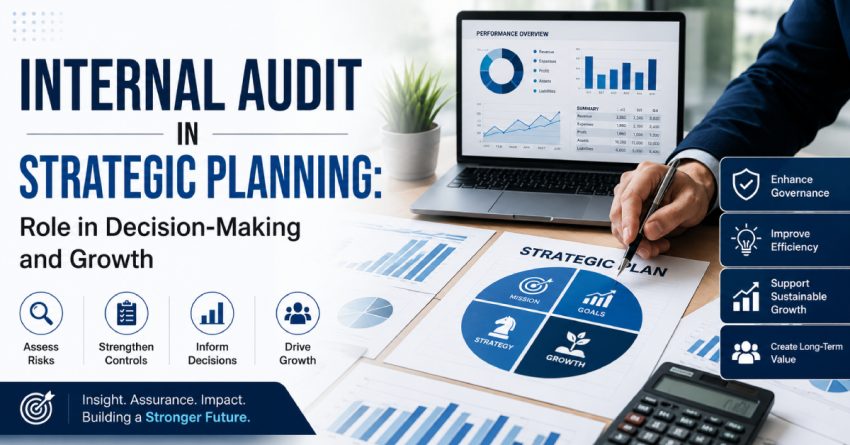
Internal Audit in Strategic Planning: Role in Decision-Making and Growth
Businesses in the current competitive world require more than merely financial data to make decisions. They need to have a clear understanding of operations, risks and performance. It is in this regard that internal audit comes in very handy. In addition to compliance and detection of errors, internal audit also offers valuable insights that may…