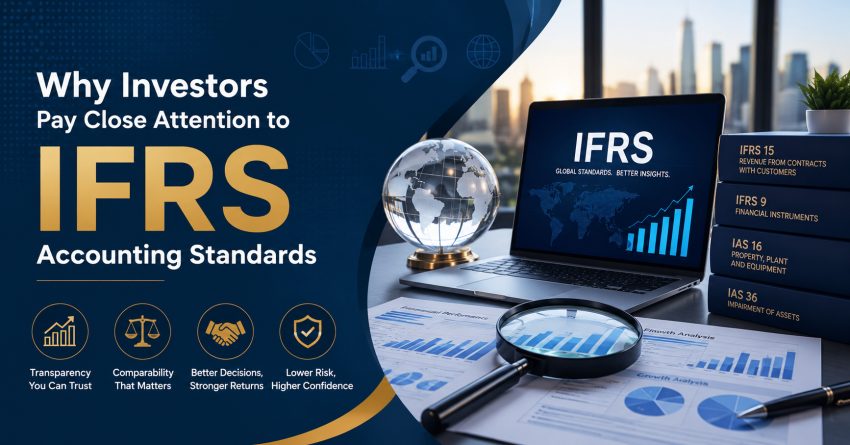
Financial information is the key for investors; they need it to make smart choices about where to invest. Whether starting a small business, a big corporate conglomerate, or a multi-national firm, accuracy and transparency in finances are a must. That’s why many investors follow IFRS accounting rules. IFRS, or International Financial Reporting Standards, is the…
Tag: corporate governance
Why GAAP Matters During Business Growth
When a business grows, it is a thrilling period of time for any company. Growth in business, increased revenue, new employees and new markets can provide ample opportunities. But growth also entails increased economic complexity. With a growing volume of transactions and greater reporting needs, it becomes critical to ensure financial records are kept ensuring…
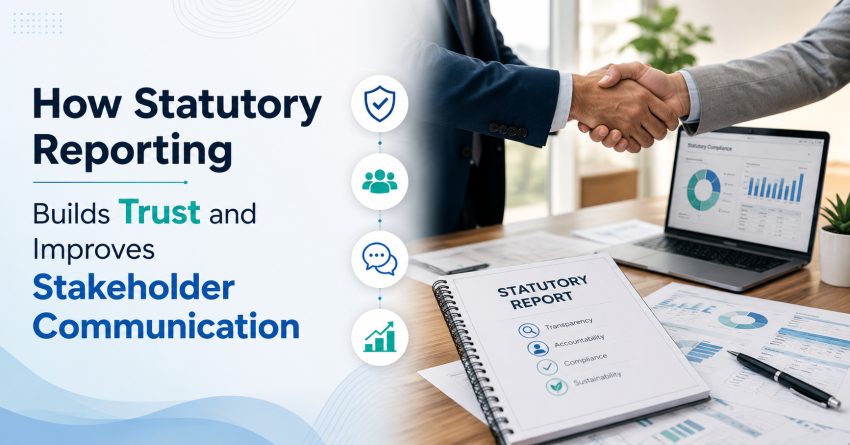
How Statutory Reporting Builds Trust and Improves Stakeholder Communication
Businesses have to deal with many constituents like investors, lenders, regulators, employees, suppliers and customers. These groups rely on accurate information to help them understand the financial health, performance and compliance status of a company. Statutory reporting is one of the best ways of conveying this information to the business. Statutory reporting is a proven…
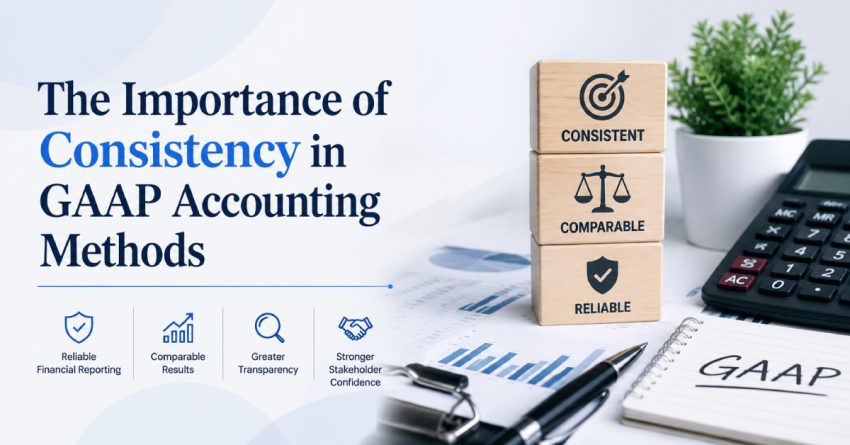
The Importance of Consistency in GAAP Accounting Methods
Financial statement reporting helps companies in being transparent, building their investor trust, and making sound decisions. Consistency is one of the most important principles of accounting. The company which maintains consistent methods of accounting can report its financial figures in an accurate way, allowing investors to make judgments regarding its performance. For this reason, GAAP…
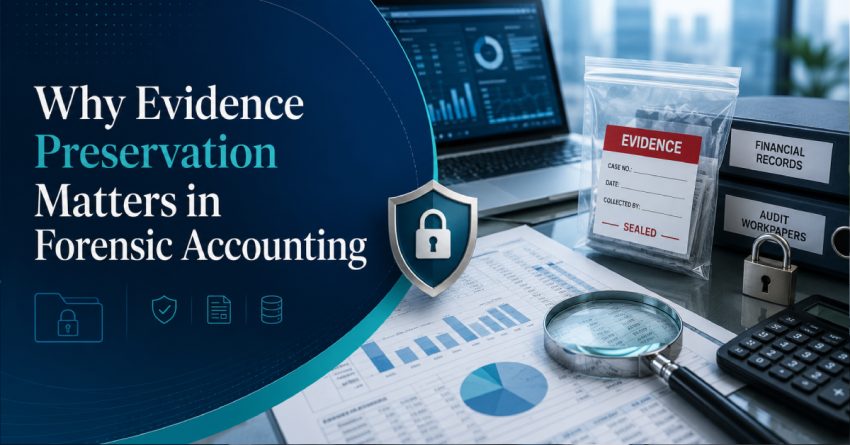
Why Evidence Preservation Matters in Forensic Accounting
Today, the business world faces more complex cases of fraud, cyber-crime, and corporate disagreements. Businesses have turned to forensic accounting to conduct investigations of suspected cases, identify any financial discrepancies, and make them legally acceptable. In this regard, one of the most important elements of the process is evidence preservation. If there is no proper…
How Assurance and Accounting Drive Long-Term Business Sustainability
In the current world of tough business competitions, sustainability does not only involve being environmentally friendly but also involves issues like sound finance, good governance, accountability and growth. Companies which intend to be successful for many years have to develop robust financial structures and sustain stakeholder confidence. This is where Assurance and Accounting play an…
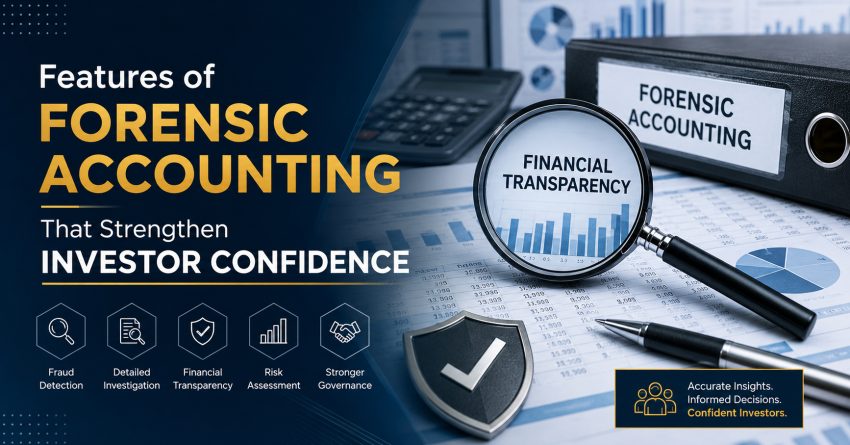
Features of Forensic Accounting That Strengthen Investor Confidence
Today’s investors are much more cautious than ever before to invest in any business. Financial scams and hidden liabilities, bogus reports, and fraud cases have intensified investors’ focus on transparency and accountability. This is where the elements of forensic accounting truly are valuable. These accounting systems assist companies to keep correct records and lessen the…
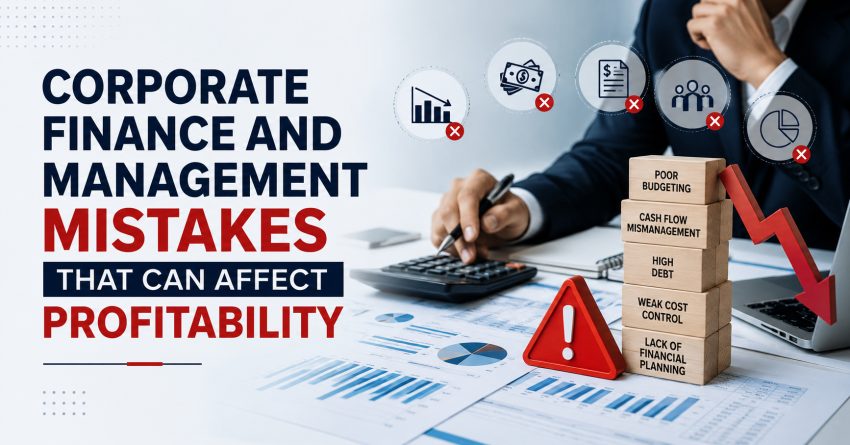
Corporate Finance and Management Mistakes That Can Affect Profitability
Profits are important to all businesses and in general every business strives for profit & its steady growth. However, even the best businesses with the best practices and customer support can be affected by low profitability. Effective financial planning & good management of business operations help the organization to optimize expenditure, rationalization of assets utilized…
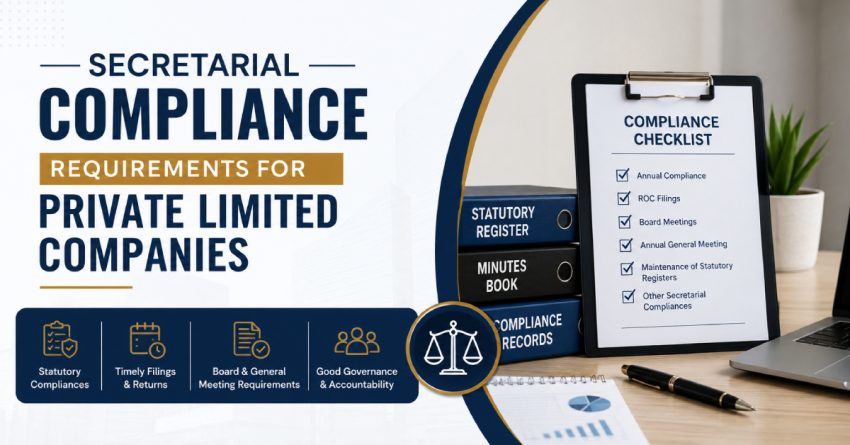
Secretarial Compliance Requirements for Private Limited Companies
For managing a private limited company, legal obligations must be on the same page as the business operations. In this direction, a major obligation is company secretarial compliance, a factor that makes sure that a business operates under the legal framework as set by the Companies Act. The secretarial compliances are instrumental in upholding transparency,…
Role of Internal Audit in Achieving Organizational Goals
In today’s dynamic business environment, organizations must ensure that every function contributes to achieving strategic objectives. One such critical function is Internal Audit, which has evolved from a traditional compliance-focused role to a strategic partner that adds value across the enterprise. Aligning Internal Audit with organizational strategy and goals is essential for enhancing performance, managing…