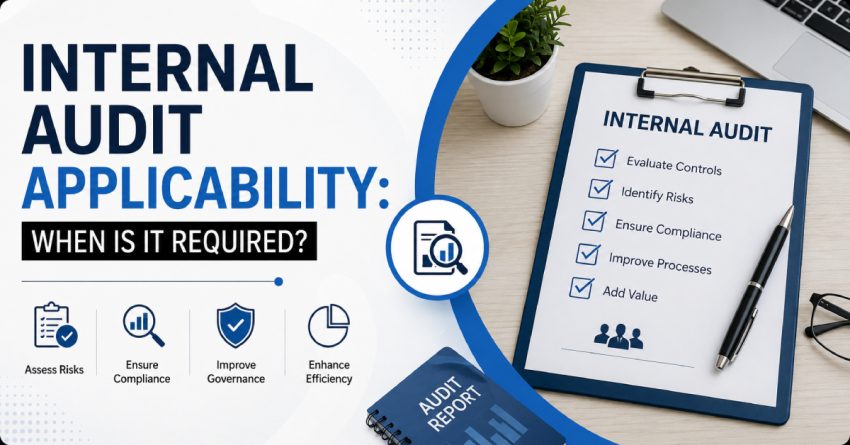
In today’s business environment, knowing how to apply internal audits is key to maintaining good governance, risk management, and regulatory compliance. Internal auditing can happen in a number of ways: either, through a voluntary decision by many organizations to make their operations more efficient; or, in certain instances, because law and regulation demand an internal audit function. It is important to understand these requirements if your business is affected by them, so you can prevent compliance problems and improve your internal controls.
What is Internal Audit?
Internal audit is an unbiased review of an organization’s financial, operational and compliance processes. Internal audits differ from statutory audits in that they are narrower in scope, examining internal controls, the risk management process and business operations.
Ineffective internal audit functions give management little value in the way of information to assist them with decisions and ongoing process improvement.
Understanding Internal Audit Applicability
The internal audit applicability of an organization is based on its legal and regulatory framework. In many jurisdictions, there are specific financial or operational conditions that dictate the appointment of an internal auditor in a company.
The applicability might depend on:
- Paid-up share capital
- Annual turnover
- Outstanding loans or borrowings.
- Outstanding deposits
- Nature of business
- Industry-specific regulatory requirements
These criteria should be revisited periodically as businesses may find themselves falling into the mandatory compliance framework because of increased growth in their operations or financial performance.
Which business should consider internal audits?
For an organisation that may not be legally required to do internal audits, it can be very beneficial to do them anyway.
Regular internal audits are more useful for companies that are growing quickly, have multiple locations, have high volume financial transactions or are in highly regulated industries.
Knowing the applicability of internal audits enables management to decide whether or not to establish an internal audit function is best practice or statutory requirement.
Benefits beyond Compliance
An internal audit is often a first step for organisations in order to comply with regulations but is soon realised as having strategic benefits.
An effective internal audit assists organisations to:
- Strengthen internal controls
- Improve operational efficiency
- Detect process weaknesses
- Minimise the threat of fraud.
- Ensure regulatory compliance
- Provide more accurate financial reporting
- Specifically support the improvement of corporate governance.
These benefits help strengthen the organization’s performance and confidence of the stakeholders.
It is essential to review internal audit applicability regularly.
Things change in the business world all the time. The applicability of internal audit in a company may change due to expansion, merger, borrowing or turnover.
There should be ongoing compliance with both financial thresholds and regulatory changes, which should be reviewed regularly by management. Delaying implementation of audit requirements can create unnecessary compliance risks.
Collaborating with experts also supports organisations to come to a proper understanding of evolving laws and regulations, and to set up a sound audit plan.
Creating an Efficient Internal Audit Unit
After internal audit becomes applicable, organisations should have a clear audit charter, reporting independence, identifying the key risk areas and plan an audit programme in a structured manner for each year.
The audit function should regularly review other critical business functions such as finance, operations, procurement, information technology, compliance, etc. Findings are to be reported to management while making recommendations for a continuous improvement process.
Conclusion
It is crucial for any expanding business to know the applicability of internal audit. While regulatory requirements dictate whether or not an internal audit is necessary, the benefits of an internal audit go beyond the legal requirement. Internal audits strengthen governance, increase operational efficiency, increases risk management and assist with better business decisions.
Regularly assessing the applicability requirements and having a robust internal audit programme will ensure that organisations stay compliant and will ensure they have a stronger and more resilient business to enable long-term growth.
Frequently Asked Questions
Q: What is an internal audit, and how does it differ from a statutory audit?
An internal audit is an unbiased review of an organization’s financial, operational, and compliance processes. Unlike statutory audits, internal audits are narrower in scope and specifically examine internal controls, risk management processes, and business operations.
Q: When is an internal audit mandatory for a company?
Internal audit applicability depends on an organization’s specific legal and regulatory framework. It is often triggered by financial or operational criteria, including:
- Paid-up share capital
- Annual turnover thresholds
- Outstanding loans or borrowings
- Outstanding deposits
- The nature of the business and industry-specific regulations
Q: How often should a business review its internal audit applicability?
Businesses should review their internal audit requirements regularly. Changes such as business expansion, mergers, increased borrowing, or higher annual turnover can shift a company from voluntary status into a mandatory compliance framework.
Q: What are the risks of ignoring internal audit requirements?
Delaying or failing to implement internal audit requirements until the end of the year can expose an organization to unnecessary compliance risks, potential regulatory penalties, undetected process weaknesses, and an increased threat of fraud.
Q: Why should fast-growing companies prioritize internal audits early?
Rapid expansion, increased transaction volume, or operating across multiple locations increases operational risk. Regular internal audits help fast-growing companies detect operational vulnerabilities early, streamline workflows, and ensure financial reporting accuracy as they scale.
Also Read: Role of Internal Audit in Achieving Organizational Goals