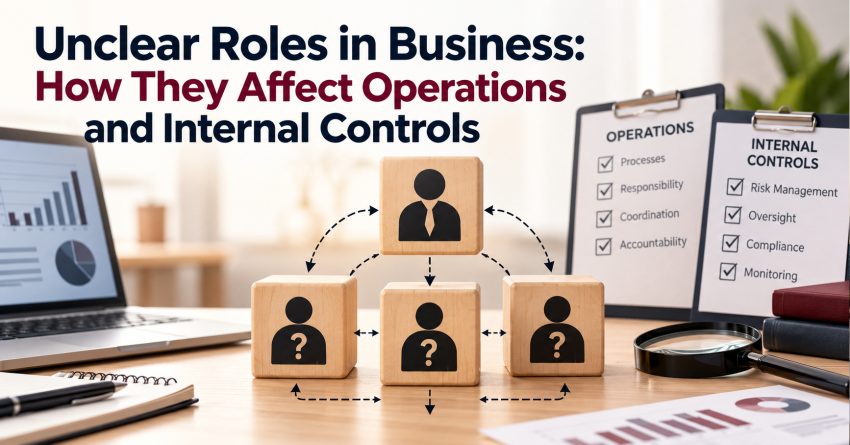
Businesses need to have clear roles and responsibilities to maintain business organisation. Even great processes can be hard to manage when employees don’t know who has responsibility for a task, who decides, or who is accountable for a result. If left unchecked, confusing roles can impact productivity, cause control gaps and add to the potential…
Tag: Internal Controls
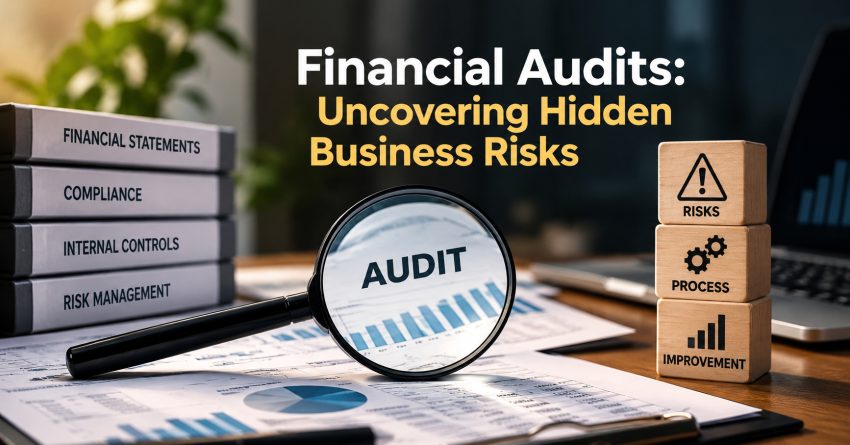
Financial Audits: Uncovering Hidden Business Risks
The company may appear successful according to its reports, yet, at the same time, be at risk for reasons not obvious from its financial statements. The following factors, among others, influence financial accuracy and operational efficiency over time: unaccounted accounts, approvals of poor quality, strange transactions and lack of documentation. A formal financial audit may…
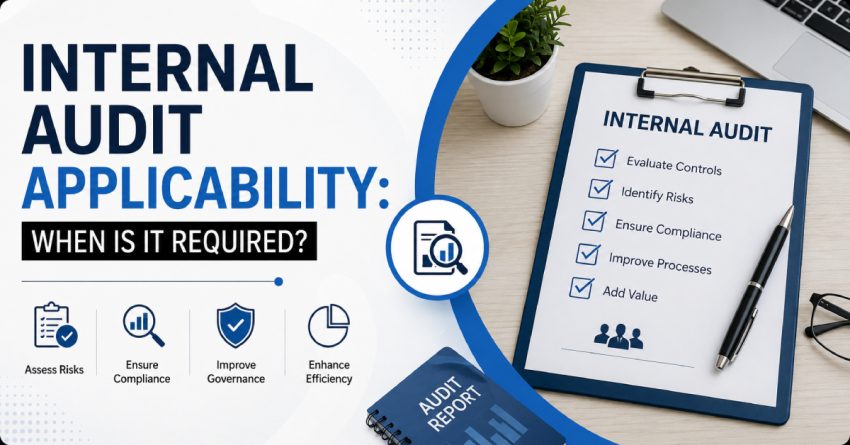
Internal Audit Applicability: When Is It Required?
In today’s business environment, knowing how to apply internal audits is key to maintaining good governance, risk management, and regulatory compliance. Internal auditing can happen in a number of ways: either, through a voluntary decision by many organizations to make their operations more efficient; or, in certain instances, because law and regulation demand an internal…
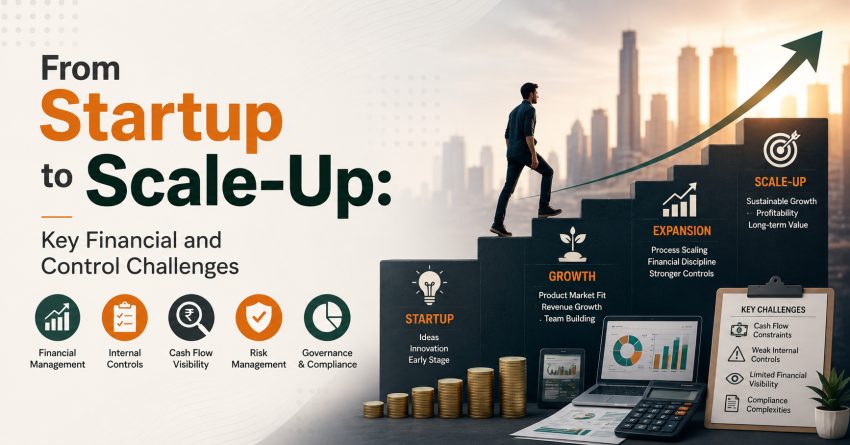
From Startup to Scale-Up: Key Financial and Control Challenges
Creating a successful startup is one thing but turning it into a sustainable and scalable business is another. With the growth of organizations, financial activities become more complicated, regulatory requirements grow and the governance needed for decision making becomes stronger. Startups are all about innovation and growth while scale-ups need to focus on growth and…
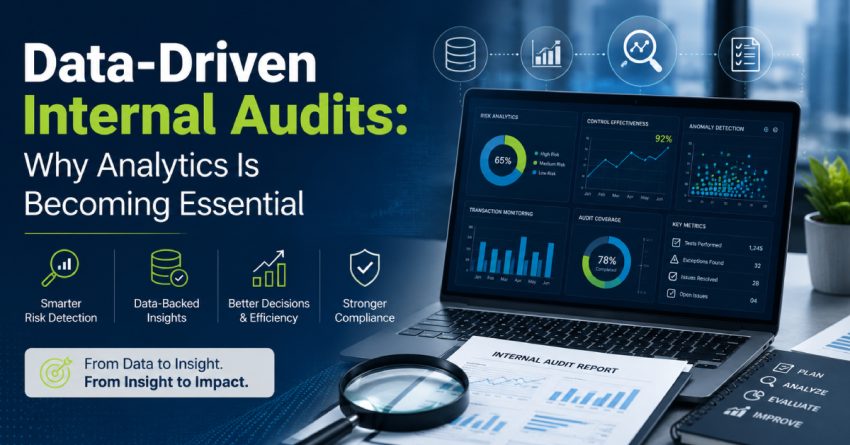
Data-Driven Internal Audits: Why Analytics Is Becoming Essential
There is a vast amount of financial and operational data that is generated by businesses today. But gathering data is not the final objective. Organizations seek meaningful insights to better understand risks, strengthen compliance, and support informed decision-making. This is where the role of Data Analytics in the Audit is changing. Today, internal audit services…
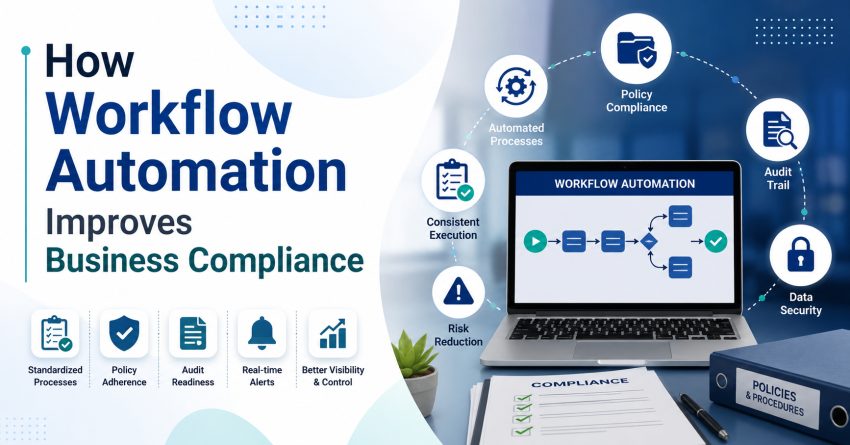
How Workflow Automation Improves Business Compliance
Today’s business isn’t just about sales, operations and customer relations. Companies also have to keep up with ever-changing regulatory standards, keep their books in order, pay taxes on time, and follow industry regulations. With the growth of businesses, this is a very difficult task to do manually. This is where workflow automation can have a…
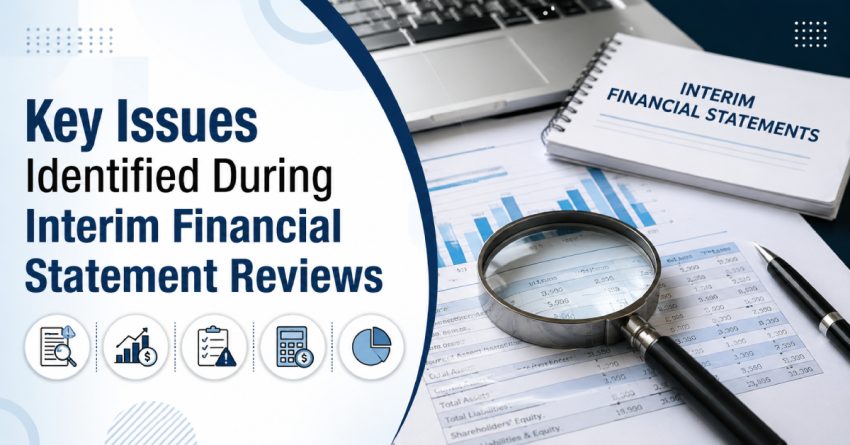
Key Issues Identified During Interim Financial Statement Reviews
Financial information is important in the business decision making process. Interim financial statements are sometimes prepared for companies to give a snapshot of the financial performance between annual reporting periods. Many organizations perform a review of interim financial statements to ensure reliability of this information. This process helps to identify any issues that could have…
How Internal Audit Strengthens Vendor Management and Reduces Business Risk
Effective vendor management is crucial for ensuring efficiency, managing expenses, and promoting business continuity. In today’s world, businesses use the services of many third-party vendors to provide them with different kinds of products and services. At the same time, poor vendor management could be detrimental for a company because it may result in compliance problems,…
Why Internal Controls Are the Backbone of Corporate Finance Management
Financial discipline in the contemporary business world is not only about making profits but also about protecting them. Internal controls are designed procedures and policies that help ensure the accuracy of financial reporting, reduce the risk of fraud, and improve operational efficiency. They are an important tool in corporate finance management when properly applied. Knowledge…
5 Crucial tips for performing a forensic audit
A forensic audit, also known as an independent audit, is one of the many ways businesses can ensure they are accountable to their customers, suppliers, and investors. It involves an outside company or auditor looking through a company’s books and records to ensure there aren’t any problems with how funds are being spent or how…