With the growth of organisations, spread across markets, geographies and business lines, finance teams may end up with different methods to conduct day-to-day activities. Using separate systems, formats, approvals, and accounting methods may hinder management from gaining consistent financial information. Standardising finance operations can help to establish more uniformity in the process and enhance visibility,…

Tag: financial controls
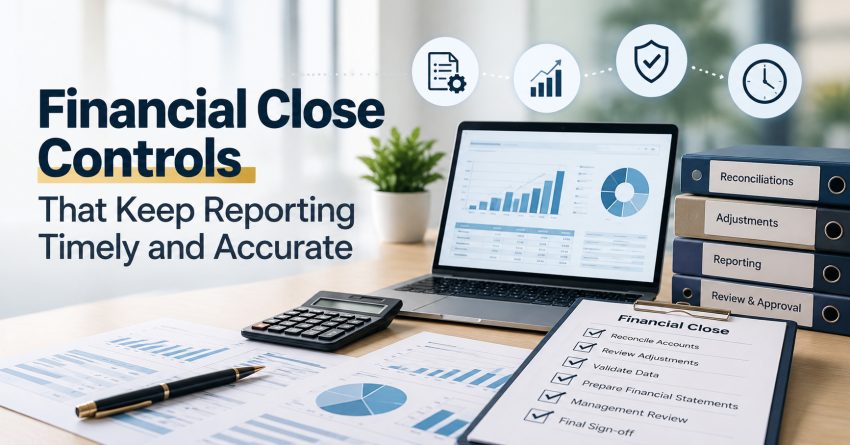
Financial Close Controls That Keep Reporting Timely and Accurate
The financial close process combines transactions, reconciliations, adjustments and reviews to ensure that the financial statements are accurate. Without good control of close activities, there may be a delay in reporting, or errors may go undetected. Financial close controls support accountability, accurate record-keeping and timely financial reporting. It is also crucial to understand the applicability…
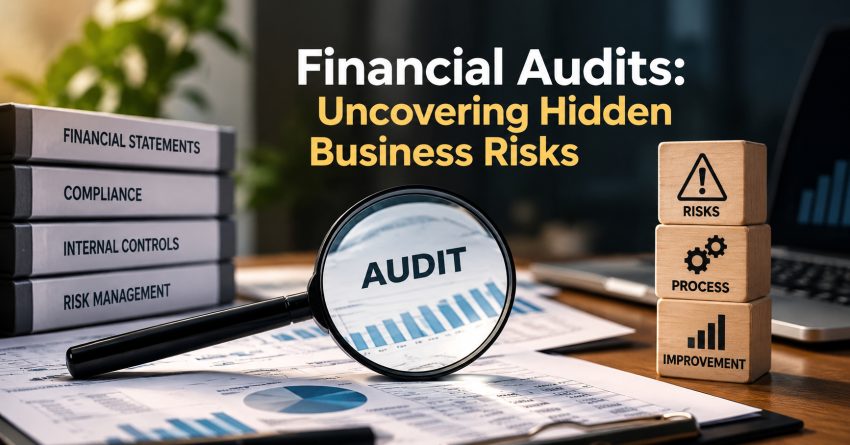
Financial Audits: Uncovering Hidden Business Risks
The company may appear successful according to its reports, yet, at the same time, be at risk for reasons not obvious from its financial statements. The following factors, among others, influence financial accuracy and operational efficiency over time: unaccounted accounts, approvals of poor quality, strange transactions and lack of documentation. A formal financial audit may…
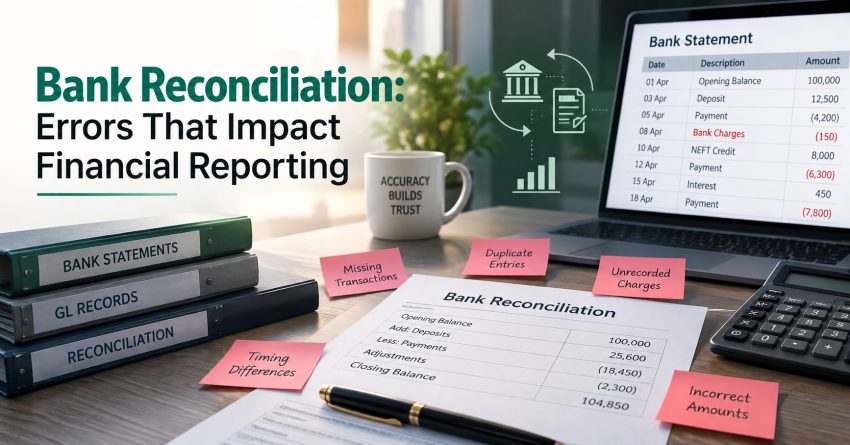
Bank Reconciliation: Errors That Impact Financial Reporting
Bank reconciliation is a significant accounting control that enables businesses to compare cash records with the bank transactions reported. If it is done on a regular basis, it can help to detect discrepancies, provide cash visibility, and help to create more accurate financial statements. Errors, however, in the reconciliation process may not be detected and…
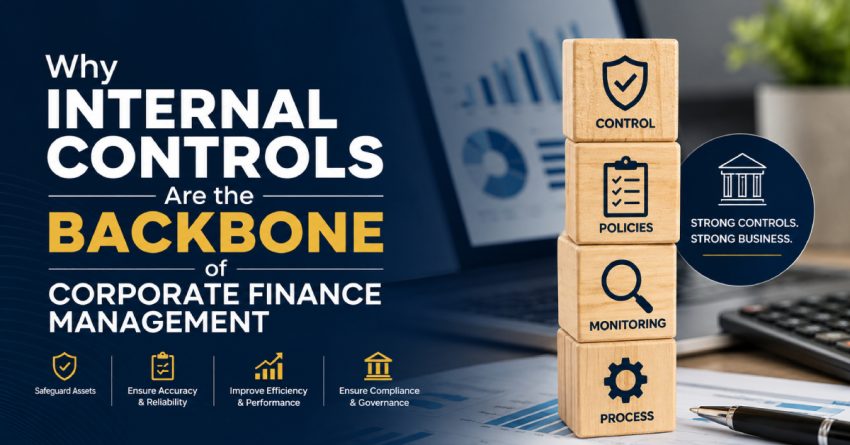
Why Internal Controls Are the Backbone of Corporate Finance Management
Financial discipline in the contemporary business world is not only about making profits but also about protecting them. Internal controls are designed procedures and policies that help ensure the accuracy of financial reporting, reduce the risk of fraud, and improve operational efficiency. They are an important tool in corporate finance management when properly applied. Knowledge…