As expectations around environmental, social and governance (ESG) responsibilities continue to grow, businesses need to identify the sustainability issues most relevant to their operations. These issues may vary depending on the industry, business activities, supply chain and stakeholder expectations. Identifying material sustainability issues helps businesses prioritise their efforts, manage risks and develop an effective ESG…

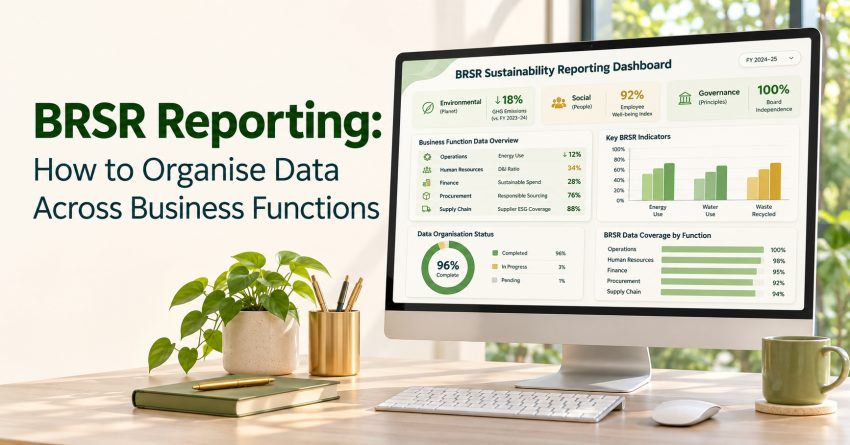
BRSR Reporting: How to Organise Data Across Business Functions
Preparing a Business Responsibility and Sustainability Report (BRSR) requires businesses to collect and organise sustainability-related data from different departments. Without a structured process for capturing and verifying this information, businesses may face gaps, inconsistencies and accuracy issues. Establishing a clear reporting process can help improve the quality and reliability of BRSR disclosures. Know what data…
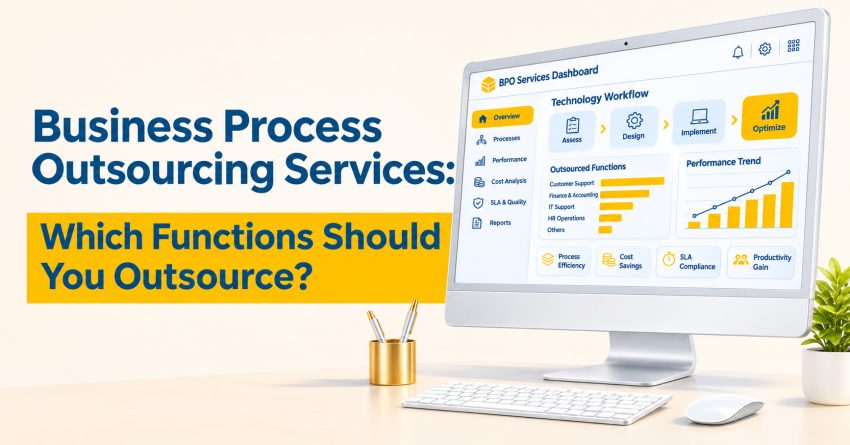
Business Process Outsourcing Services: Which Functions Should You Outsource?
Outsourcing isn’t just for basic administrative tasks. Businesses can outsource several functions to third-party service providers, allowing them to focus on growth, customer relationships and strategic decisions. When deciding which functions to outsource, it is important to consider costs, expertise, data security and overall business goals. Choosing the right business process outsourcing services can help…
Automation in Shared Services: Which Processes Should Come First?
As businesses grow, repetitive tasks increase across finance, HR, procurement and customer support functions. Automation can help organisations manage these processes more efficiently. However, automating every process at once may not be practical. Global shared services should therefore prioritise processes that offer the greatest potential for improvement. Why Focus on Certain Processes Within Shared Services?…
BOT Transition Planning: How to Prepare for Operational Ownership
The Build-Operate-Transfer (BOT) model allows businesses to establish operations with the support of an external partner before eventually taking ownership. While the initial setup and operational management receive considerable attention, the transition phase is equally important. A poorly planned handover can disrupt business activities, affect employee productivity and create operational challenges. Therefore, organisations adopting the…
Making Profits but Struggling with Cash Flow? Key Financial Gaps to Identify
Even though your business is making consistent profits, you can have problems meeting everyday financial commitments. This could be due to revenue being received late, poor timing and/or being tied up in the business. Profits will show you if you are making a profit, but your cash flow shows if you have enough finances to…
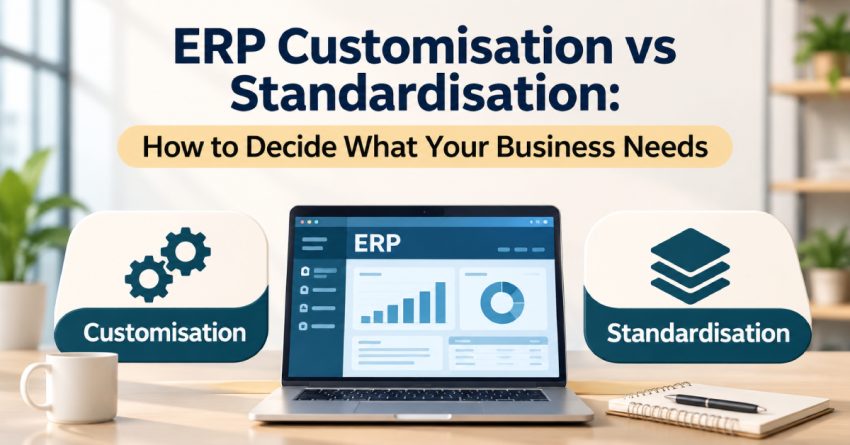
ERP Customisation vs Standardisation: How to Decide What Your Business Needs
When improving business efficiency, organisations must decide whether to adopt standard ERP processes or customise the software to meet their specific requirements. This decision can affect implementation costs, system flexibility and ongoing maintenance. Understanding the differences between ERP standardisation and customisation can help businesses choose an approach that supports their operational needs. What is ERP…
GST Annual Filing: Who Needs to File GSTR-9 and GSTR-9C?
Other than ensuring your monthly/quarterly returns are filed, you will also need to conduct some checks on your annual GST activity, including reconciling your tax records and meeting any annual requirements. The GSTR-9 form enables you to make sure the information provided in your returns during the financial year is consistent. Depending on your annual…
How to Choose the Correct ITR Form for Your Income
Filing an Income Tax Return (ITR) involves more than reporting annual earnings and paying applicable taxes. Taxpayers must also select the correct ITR form based on their income sources, residential status, financial activities and other applicable conditions. Choosing an incorrect form can result in a defective return, additional compliance requirements or the need to file…
Transfer Pricing for Intercompany Loans: Key Factors to Review
Many businesses will take out intercompany loans to provide better cash flow management, provide funds for expansion, meet business needs and distribute capital within the business structure. When taking out loans between associated enterprises the interest rate and conditions should follow the transfer pricing rules. If incorrect pricing is applied or there isn’t sufficient documentation…