In the modern competitive business environment, it is necessary to have organizations that are efficient, compliant, and risk-aware in their operations. The audit of the end-to-end process assists firms to review the workflows within the departments, detects gaps, and enhances internal controls. Instead of analyzing single activities, such a holistic approach analyses the entire lifecycle…
Author: AKGVG & Associates
How AI Accounting Differs from Traditional Accounting
Any business has always been anchored on accounting. Accounting assists organizations in remaining financially stable, as far as keeping financial records are concerned as well as keeping them tax compliant. Nevertheless, due to the rapid digitalization, companies are currently shifting to AI accounting solutions that can automate most of the conventional accounting processes. Although the…
Why Statutory Audit Is Mandatory for Certain Businesses
Conducting business does not just involve sales, customers and growth. It is also regarding financial transparency and adherence to the government rules. In the case of many businesses, a statutory audit is not a choice but a legal obligation. A statutory audit is primarily conducted to guarantee that a company has its financial records in…
OPC Incorporation Guide for Indians, NRIs & Foreigners
Starting a business alone has become easier with the concept of an OPC (One Person Company). One person company formation is usually a preferable way through which entrepreneurs wish to be registered as corporations but without having more than one partner. This system offers limited liability but remains more creditworthy and has separate legal identities…
What Is Inventory Verification and Why It Is Critical for Businesses
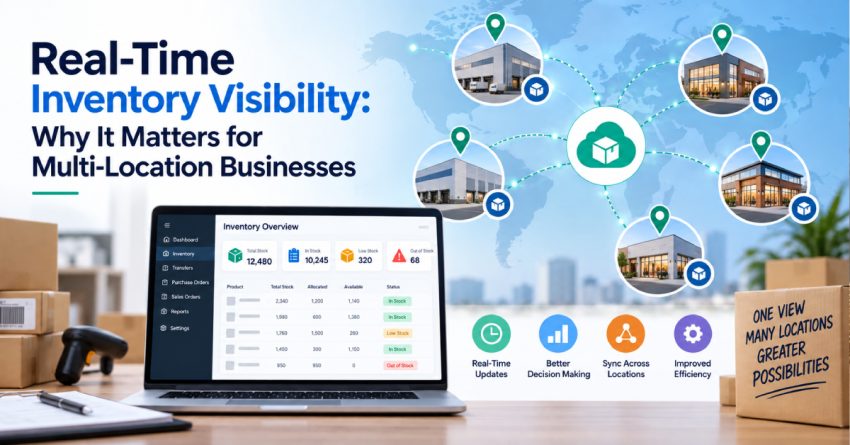
In today’s competitive marketplace, effective inventory management plays a crucial role in maintaining profitability and operational efficiency. One key aspect of this process is Inventory Verification. Without accurate inventory records, businesses risk financial losses, operational disruptions, and customer dissatisfaction. Understanding what inventory verification is and why it matters can help organizations build stronger internal controls…
Avoid These Costly Mistakes During Business Setup
Starting a new venture is exciting, but the journey from idea to launch can be filled with challenges. Many entrepreneurs rush the process and overlook critical steps, leading to costly setbacks. A smooth Business Setup requires careful planning, legal clarity, and financial discipline. By understanding common mistakes, you can lay a strong foundation for long-term success….
Tax Outsourcing: Functions That Can Be Safely Outsourced
The tax management has grown to be more complicated for businesses of every size. New regulations, deadlines, and high compliance requirements are some of the frequent pressures faced by internal teams. It is due to this that several companies are currently considering the option of tax outsourcing to remain within the confines of doing business…
Limited Liability in OPC Formation: Key Points Every Entrepreneur Should Know
Entrepreneurs today are now looking at the flexibility of the business structure, credibility, and security. The One Person Company (OPC) is one of these structures that are becoming very popular with the solo founders in India. One of the greatest benefits that can lure people to this model is limited liability. The knowledge of the…
Company Registration Process: A Step-by-Step Overview
The process of opening a business in India has over the years been made easier because of the digital reforms and the simplification of compliance processes. The registration of companies in India is largely online, transparent, and time limited in 2026. Be it an entrepreneur, a start-up developer, or growing an already established business, it…
Fixed Asset Register: Legal Requirements under the Companies Act
In India, the legal and governance practice of businesses requires them to keep proper records of their company assets. The Fixed Asset Register (FAR) is one of the most crucial tools towards this end. The company’s act, 2013, mandates companies to keep good books of their fixed assets to exercise transparency, accountability and compliance. The…