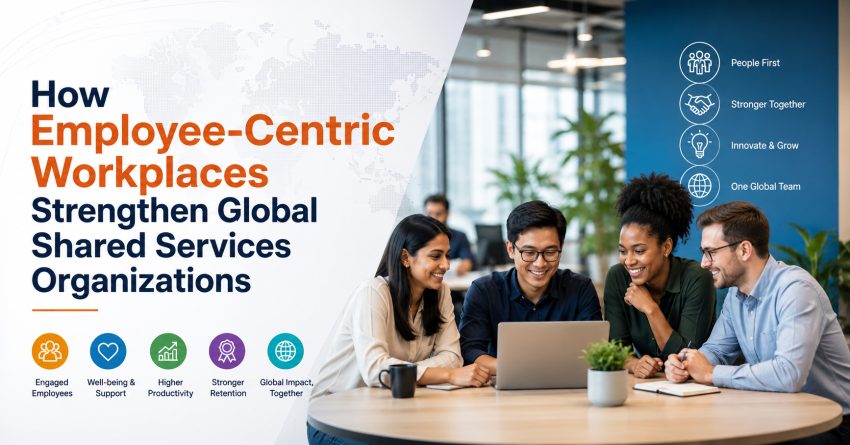
As the world becomes highly competitive and dynamic, most companies have started realizing that the satisfaction of employees is an important factor in determining whether the organization succeeds. This is more emphasized within global shared services where different units work within various geographical boundaries in diverse functional areas. While technological innovation continues to impact how people work, organizations must ensure that they create work environments that are geared towards employee wellness and empowerment.
A worker-driven work environment is characterized by workers feeling valued and empowered. Such environments have become vital in global shared services operations.
Understanding the Need for Employee-Centric Workplaces
In the case of employees employed in shared services centers, they typically encounter heavy loads of work, mundane activities, and high-performance requirements. As a result, without proper cultural support, the risk of suffering from stress-related conditions may arise.
The approach of adopting a strategy of building employee-centric work processes is conducive to a highly favorable working environment. Flexible work schedules, teamwork promotion, and provision of innovative technologies can serve as examples of what can be expected from such companies. Employees are motivated and loyal when they feel an organizational connection.
The Role of Leadership and Communication
One of the essential building blocks for establishing a work environment that revolves around the interests of the employees is good leadership. The managers in the world of shared services need to do more than manage their tasks and be involved in the growth and welfare of their teams.
Communication also plays a vital role in ensuring good relations among people. Employees must not hesitate to speak about the problems they have and how things could be made better.
Some Global Shared Services Companies have leaders who communicate frequently with their employees by organizing forums such as town meetings and feedback forums.
Investing in Learning and Career Growth
The development of skills and career progress are essential elements that affect the performance of workers. Nowadays, employees require a workplace that has a good system for career advancement and learning opportunities.
Companies can ensure such an environment through offering training sessions, mentoring, digital certificates, and other means of professional development. Due to automation and AI being increasingly implemented within shared services, learning on a regular basis plays a vital role.
By making investments into their employees’ development, firms will be able to ensure not only improved capabilities among workers but also promote innovation and flexibility.
Promoting Flexibility and Well-Being
Flexible working is a key element in modern workplaces. The use of hybrid and remote working gives workers more balance between work and personal life as well as raising their job satisfaction levels.
It is essential that organizations focus not only on providing their workers with flexible working conditions but also offer initiatives that boost employee well-being.
Teams often collaborate for mental health initiatives, stress-relief activities, and employee engagement activities. In Global Shared Services settings, with people from different geographical locations working together, inclusiveness plays an important role too.
Building the Workplace of the Future
The workplace of the future is about much more than automation and efficiencies. The companies that focus on the experience of their employees will be better equipped to succeed and excel.
It takes time, empathy, and planning to create an employee-focused environment. With a focus on collaboration, development, and wellness, Global Shared Services companies can create resilient and adaptable teams ready to tackle the challenges of today’s workplace.