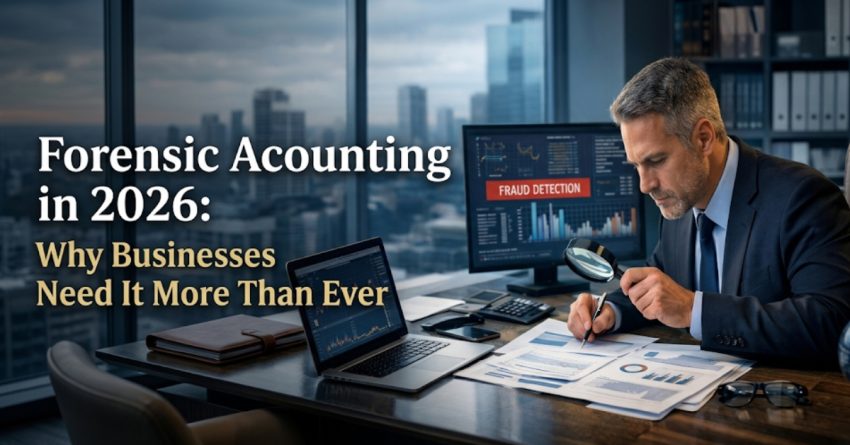
Financial disclosure is the key to the contemporary fast moving business world. The threat of fraud, data modification, and compliance loopholes are growing as companies go digital and transactions are becoming more sophisticated. That is why in 2026 forensic accounting becomes an important element of businesses. It does more than conventional bookkeeping, as it will…
Tag: traditional accounting
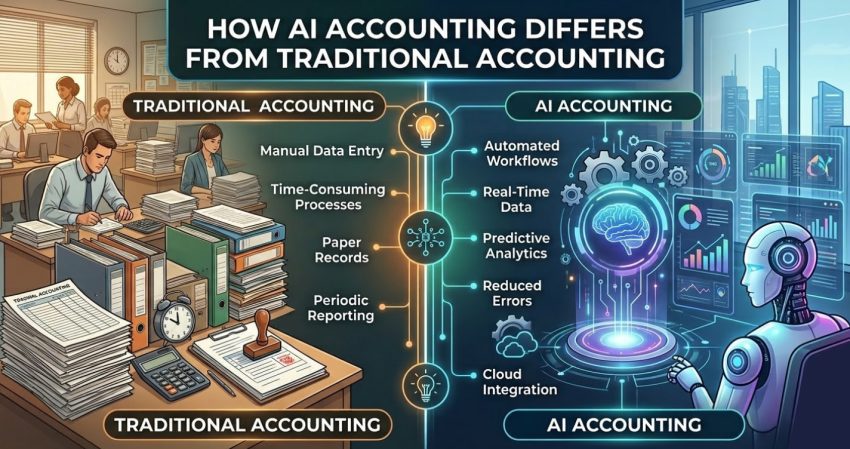
How AI Accounting Differs from Traditional Accounting
Any business has always been anchored on accounting. Accounting assists organizations in remaining financially stable, as far as keeping financial records are concerned as well as keeping them tax compliant. Nevertheless, due to the rapid digitalization, companies are currently shifting to AI accounting solutions that can automate most of the conventional accounting processes. Although the…
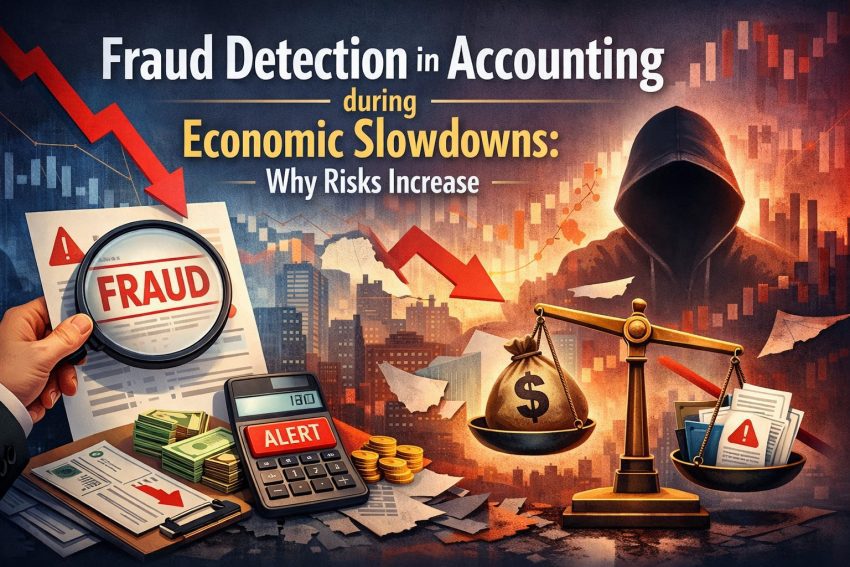
Fraud Detection in Accounting during Economic Slowdowns: Why Risks Increase
Slowdowns in the economy put a strain on business in numerous aspects. Revenues are reduced, the cash flow is unsure, it is said that the operations costs are stricter, and the financial pressure begins to accumulate in organizations. In this case, the businesses are not only concerned with survival and stability but also become more…
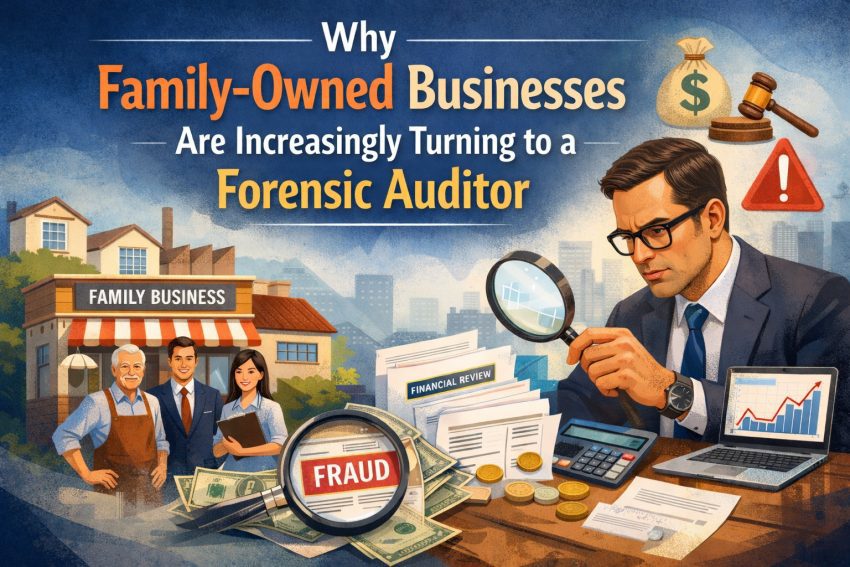
Why Family-Owned Businesses Are Increasingly Turning to a Forensic Auditor
A lot of family business is usually founded based on trust, legacy, relationships, and years of hard work. They are valuable both emotionally and in terms of money. Financial transparency is however a challenge at times as these businesses grow, increasingly complicated or are transferred through generations. Nowadays, businesses nowadays are experiencing problems such as…
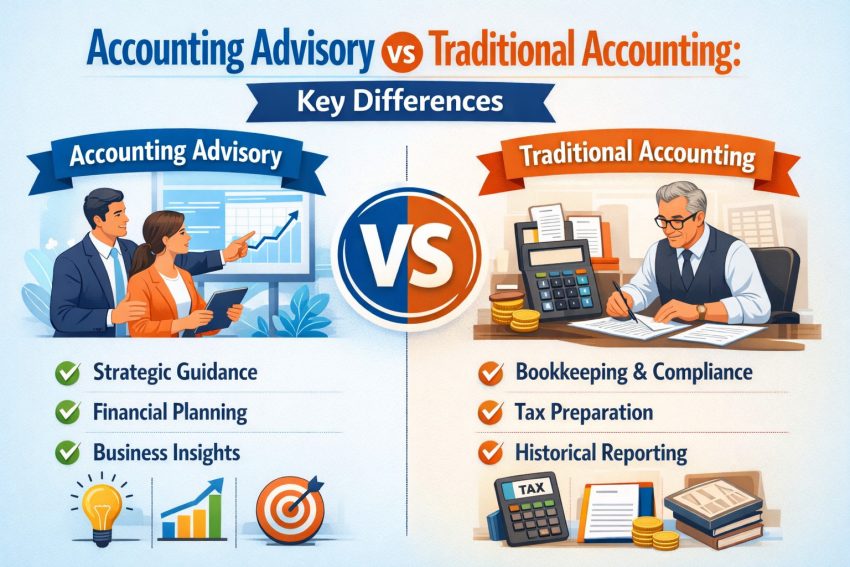
Accounting Advisory vs Traditional Accounting: Key Differences
In today’s fast-evolving business environment, the role of accountants has expanded far beyond data entry, bookkeeping, and compliance. As companies face increasing financial complexity, the need for strategic financial guidance has grown, giving rise to accounting advisory services. While traditional accounting remains essential for day-to-day financial operations, advisory services focus on future-oriented planning, decision-making, and…
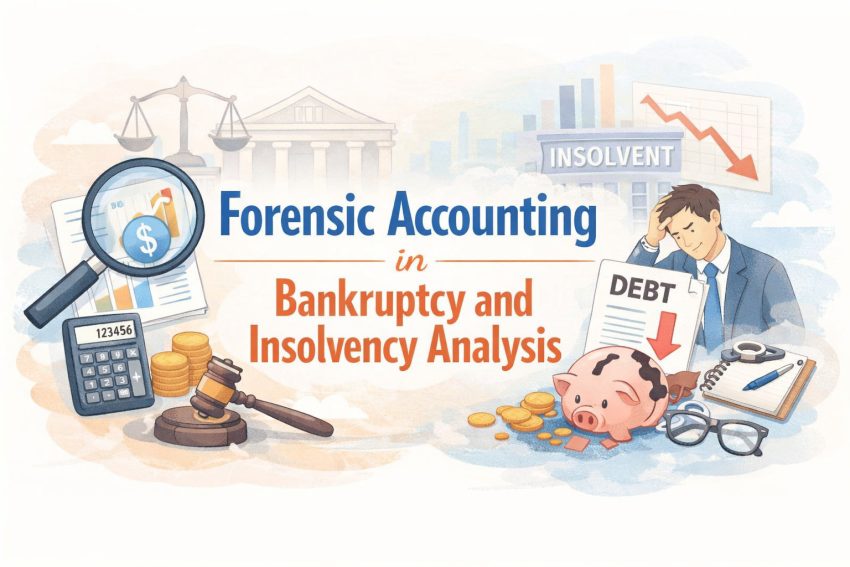
Forensic Accounting in Bankruptcy and Insolvency Analysis
Bankruptcy and insolvency are critical financial situations that can significantly impact businesses, creditors, and stakeholders. In case the organization cannot cover the financial commitments, it is necessary to find out the reasons for the problem, as well as determine the potential violations and the actual financial state of a given structure. Forensic accounting comes in…
Forensic Accounting: Safeguarding SMEs and Startups from Digital Scams
The emergence of online business has been of immense convenience to organizations but has also provided an opportunity to increase numbers of cyber-crime and internet financial fraud. A small or emerging business is usually the most susceptible since they are yet to establish a system, trust framework and internal controls. It is at this point…
Forensic Auditors: When and Why Businesses Need Them
It has often been observed that there comes a point when a small or a large business cannot be checked on accounting regularly. With the expansion of companies, transacting activities are increased, teams are expanded and financial responsibilities grow more complicated. During these moments, chances of errors, misconduct or fraud are also increased. It is…
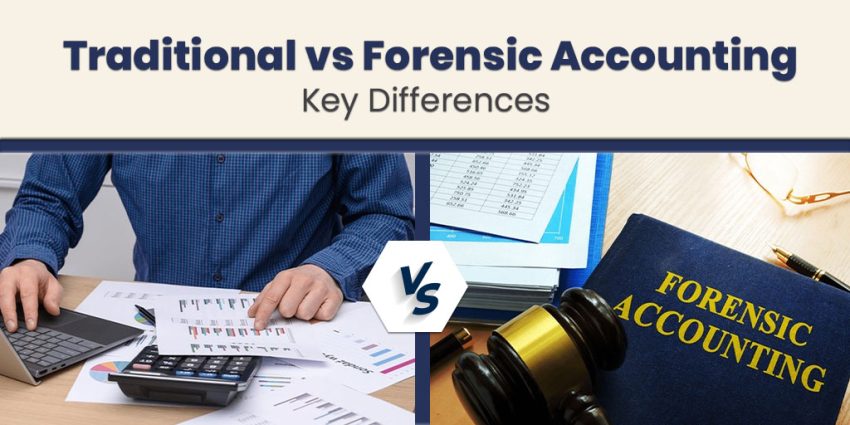
Traditional vs Forensic Accounting: Key Differences
Accounting is often seen as the language of business, helping organizations record, analyze, and report financial information. However, within the broader field of accounting, there are specialized branches that serve unique purposes. Two of the most important among them are traditional accounting and forensic accounting. While both deal with financial data and accuracy, their goals,…
How Forensic Experts Detect Financial Red Flags
Financial fraud silently drains the resources and reputation of an organization. No matter how big or small the business is, fraud tends to start small and multiply tremendously when unhindered. It is due to this reason that most companies today are relying on forensic accounting and fraud detection to remain ahead of any imminent threat….