Creating a successful startup is one thing but turning it into a sustainable and scalable business is another. With the growth of organizations, financial activities become more complicated, regulatory requirements grow and the governance needed for decision making becomes stronger. Startups are all about innovation and growth while scale-ups need to focus on growth and…
Tag: Financial Reporting
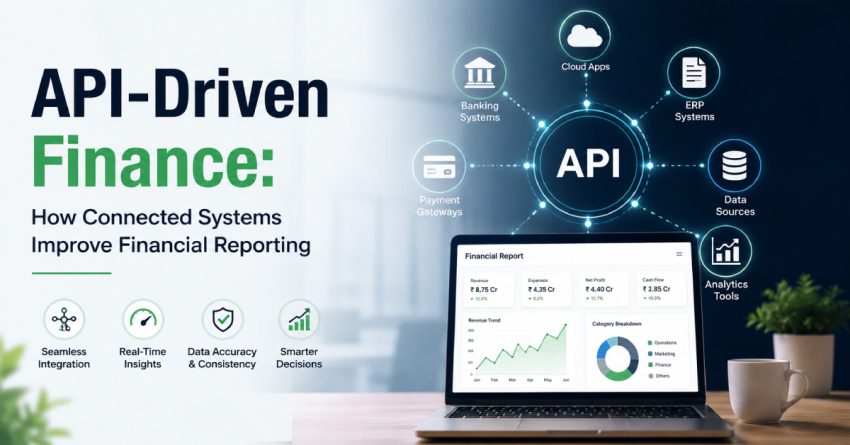
API-Driven Finance: How Connected Systems Improve Financial Reporting
Modern finance no longer operates within a single software application. Financial information is exchanged through enterprise resource planning (ERP), customer relationship management (CRM), payroll software, banking systems, procurement systems and tax software. These systems work independently and finance teams often find it time consuming to use them to manually combine information, causing delays, inconsistencies, and…
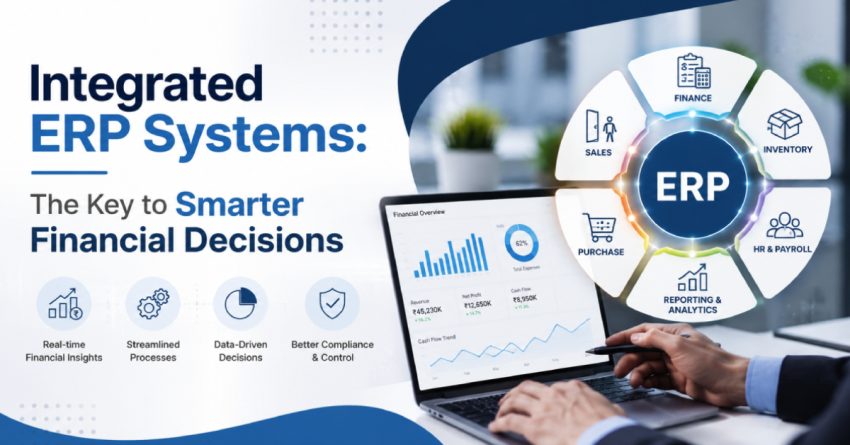
Integrated ERP Systems: The Key to Smarter Financial Decisions
In today’s rapidly changing business environment, financial decisions need to be timely, accurate, and based on reliable information. A lack of information sharing between departments with separate systems can result in inaccurate information, duplicate data entry and slow reporting. This is where enterprise resource planning (ERP) systems can make a significant difference. Business functions such…
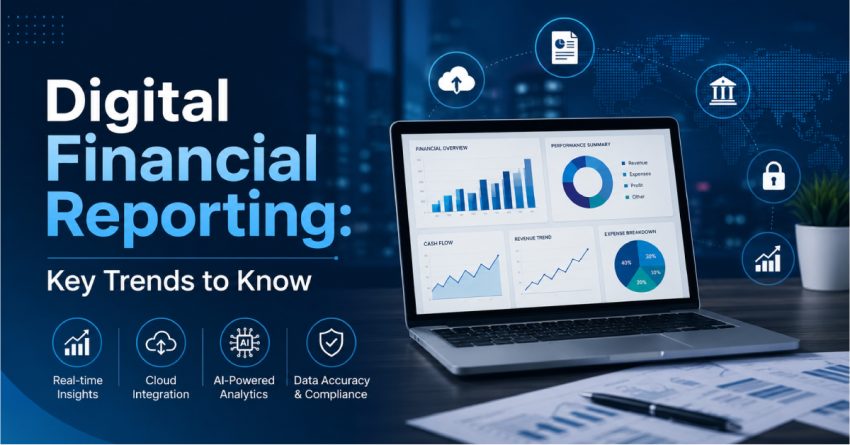
Digital Financial Reporting: Key Trends to Know
For businesses today, the amount of financial data created is greater than ever before. Whatever it is, dealing with daily transactions, payroll accounting, tax filing, or compliance with financial regulations, working with financial data could be a challenge. Organizations need speed, accuracy and transparency in their reporting and traditional spreadsheet and manual data entry methods…
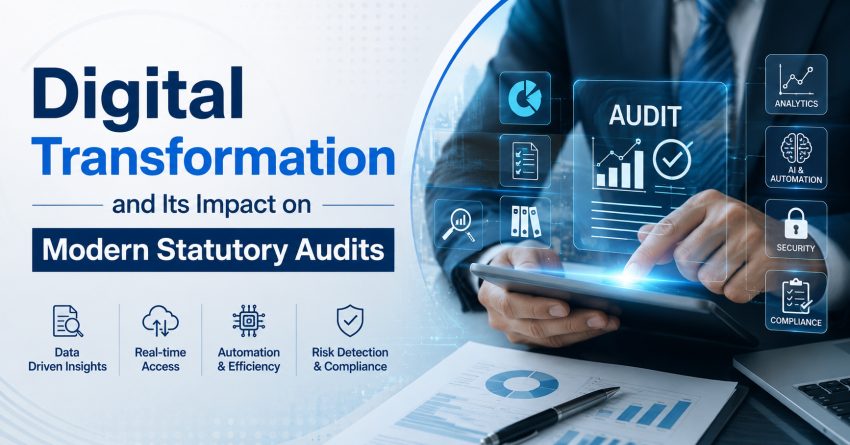
Digital Transformation and Its Impact on Modern Statutory Audits
Digital transformation is reshaping the way organizations manage financial reporting, compliance, and governance. As businesses increasingly rely on cloud platforms, enterprise software, and digital records, statutory audits are also evolving to meet the demands of a technology-driven business environment. Modern statutory audits are no longer limited to reviewing paper-based documents or performing manual verification. Auditors…
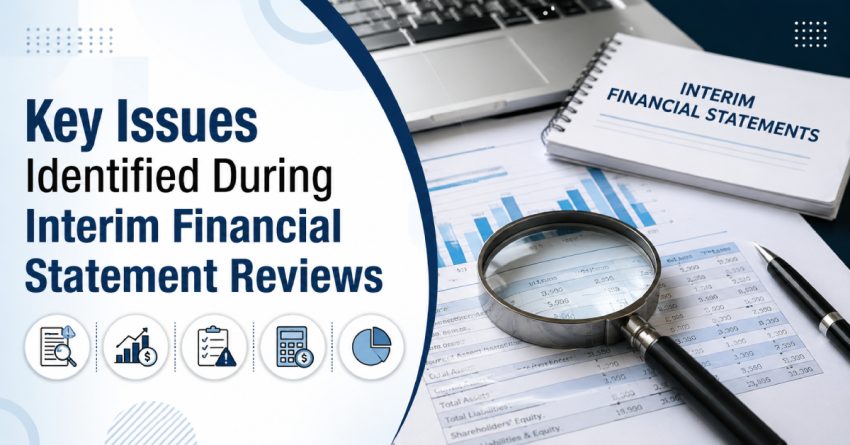
Key Issues Identified During Interim Financial Statement Reviews
Financial information is important in the business decision making process. Interim financial statements are sometimes prepared for companies to give a snapshot of the financial performance between annual reporting periods. Many organizations perform a review of interim financial statements to ensure reliability of this information. This process helps to identify any issues that could have…
Why Investors Pay Close Attention to IFRS Accounting Standards
Financial information is the key for investors; they need it to make smart choices about where to invest. Whether starting a small business, a big corporate conglomerate, or a multi-national firm, accuracy and transparency in finances are a must. That’s why many investors follow IFRS accounting rules. IFRS, or International Financial Reporting Standards, is the…
Why GAAP Matters During Business Growth
When a business grows, it is a thrilling period of time for any company. Growth in business, increased revenue, new employees and new markets can provide ample opportunities. But growth also entails increased economic complexity. With a growing volume of transactions and greater reporting needs, it becomes critical to ensure financial records are kept ensuring…
How Statutory Reporting Builds Trust and Improves Stakeholder Communication
Businesses have to deal with many constituents like investors, lenders, regulators, employees, suppliers and customers. These groups rely on accurate information to help them understand the financial health, performance and compliance status of a company. Statutory reporting is one of the best ways of conveying this information to the business. Statutory reporting is a proven…
Why Auditing Services Matter for Non-Profit Organizations
The non-profit organization is an important part of the solution to social, educational, healthcare and environmental problems. These are the entities that are frequently dependent on donations, grants, sponsorships, and volunteers, to accomplish their goals. They are managing funds received by multiple stakeholders; therefore, it’s crucial to ensure financial transparency and accountability. It’s in those…