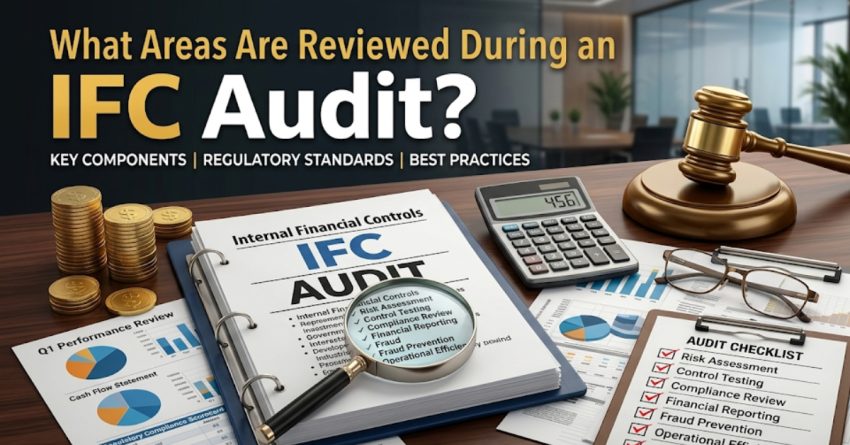
In today’s complex business environment, maintaining transparency, accuracy, and accountability in financial reporting is essential. One of the key mechanisms that help organizations achieve this is Internal Controls Over Financial Reporting (ICFR). These controls are designed to ensure that a company’s financial statements are reliable, complete, and prepared in accordance with applicable accounting standards. Understanding…
Bankruptcy vs Insolvency: Key Differences Explained
In the world of finance and business, terms like bankruptcy and insolvency are often used interchangeably. However, they carry different meanings and legal implications. Both describe financial distress, but the processes, outcomes, and responsibilities involved in each are distinct. Understanding the difference between bankruptcy and insolvency is crucial for individuals, business owners, and financial professionals…
The Role of a Crypto Tax Consultant in the Digital Economy
The rapid growth of cryptocurrency has transformed the global financial landscape. From Bitcoin and Ethereum to NFTs and DeFi platforms, digital assets have opened new avenues for wealth creation and financial independence. However, this evolution has also brought with it complex tax implications. As governments around the world, including India, tighten regulations around crypto transactions,…
How Company Registration Boosts Growth & Credibility
A company can be explained as an invisible, artificial person, intangible, made by or under law, with perpetual succession, distinct legal personality, and a common seal. Death, insanity, or insolvency of an individual member doesn’t affect it. In the rapid and diverse business landscape, the choice to register a business becomes a strategic pillar for…
The Complete Five-Stage Process of External Auditing
An external audit is an independent examination of an organization’s financial statements, conducted by a qualified auditor who is not part of the company. The purpose of an external audit is to provide an objective opinion on whether the financial records present a true and fair view of the company’s financial performance and position. This…
How Advisory Services Help in Navigating Regulatory Requirements
India maintains a constantly changing business climate that demands companies to adhere to developing regulations for effective operation. Businesses at all stages have difficulty maintaining compliance with tax laws and industry regulations as well as fulfilling various necessary requirements. Advisory services across the nation serve as instrumental resources which aid businesses to maintain operational compliance…
The Role of Financial Advisory Services in Business Expansion
The contemporary competitive market of India requires businesses to implement strategic financial choices for sustaining continuous expansion and growth. Business success and new opportunity acquisition depend strongly on financial planning regardless of startup age or corporation status. Financial advisory services act as the solution for this circumstance. A true expert in financial advisory offers businesses…
Audit Certification: The Foundation of Financial Discipline
One of the essential metrics of a healthy business is financial discipline. It allows organizations to control costs, pursue policies and make decisions that allow the organization to grow in the long term. The issue of poor internal procedures, financial ignorance or absence of proper monitoring is a challenge to many companies that find it…
Key Responsibilities of a Company Compliance Consultant
When running a company in India, there are numerous regulations and processes and time limits. Be it a small startup or a developing company, every organization is bound to adhere to a set of legal and regulatory requirements to run with ease. This is where a company compliances consultant would be of utmost importance. It…
Insolvency vs Bankruptcy: A Clear Distinction
Most individuals tend to use the terms bankruptcy and insolvency interchangeably. However, in the real cases and scenarios, the meaning of these two terms differs, and these terms mean different stages of financial difficulty/crisis. The knowledge of this difference can assist people and organizations to manage money issues in a superior and more arranged manner….