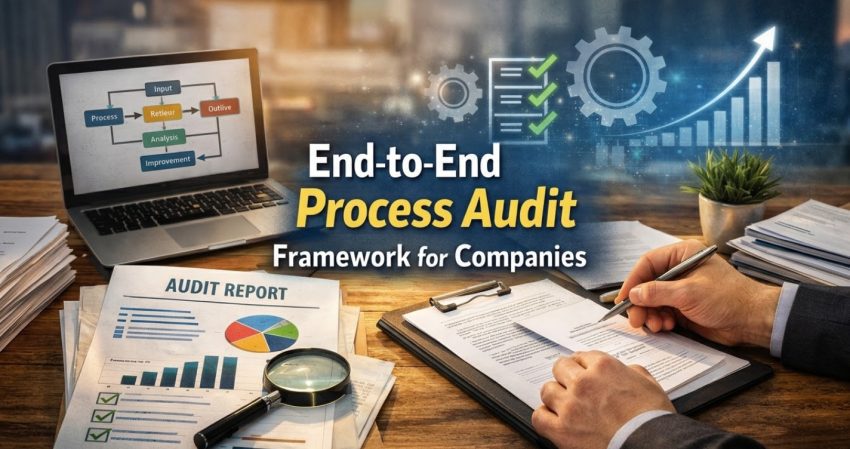
In the modern competitive business environment, it is necessary to have organizations that are efficient, compliant, and risk-aware in their operations. The audit of the end-to-end process assists firms to review the workflows within the departments, detects gaps, and enhances internal controls. Instead of analyzing single activities, such a holistic approach analyses the entire lifecycle…
Category: Audit services
Process Audit: Key Phases and Their Purpose
In today’s competitive and compliance-driven business environment, organizations must ensure that their operations are efficient, consistent, and aligned with defined standards. A Process audit plays a critical role in evaluating whether internal processes are functioning as intended and delivering expected outcomes. Rather than focusing only on end results, it examines how work is performed, making it…
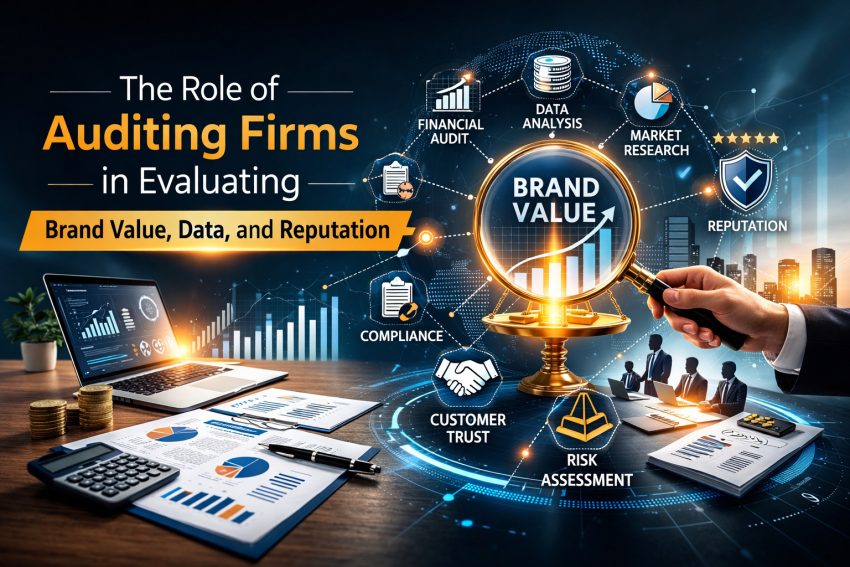
The Role of Auditing Firms in Evaluating Brand Value, Data, and Reputation
Businesses are no longer evaluated based on physical resources or financial figures. The true strength of a firm should be those things that are not tangible but have a significant effect on its success, its brand value, trust between the company and its customers, data assets and general reputation. They are referred to as intangible…
Risk Assessment in Audits: How Documentation Drives Accuracy
Audit is not only about record-checking or number-checking in any business. It is also the knowledge of risks, a lack of error, and the establishment of trust. Documentation is one of the most significant components that enable this process to be effective indeed. Risk assessment in audit is largely dependent on quality of documentation in…
How Statutory Audit Strengthens Internal Control Systems
Statutory audit is a mandatory process for many organizations, designed to ensure that financial statements present a true and fair view of a company’s financial position. Beyond regulatory compliance, statutory audits offer several strategic advantages to businesses. One of the most significant benefits of statutory audits is the strengthening of internal control systems, which play…
Key Audit Matters: Enhancing Transparency in Audits
In today’s corporate and financial environment, transparency has become more crucial than ever. Stakeholders, whether investors, regulators, lenders, or management, expect clear insights into a company’s financial health. One of the significant enhancements in audit reporting that supports this expectation is the inclusion of Key Audit Matters (KAMs). These are highlighted in the independent auditor’s…
Role of External Audit Outsourcing in SME Financial Reporting
Small and medium-sized (SMEs) businesses are one of the pillars of the economy. However, they may not have resources and expertise to keep proper financial records and comply with regulations. External audit outsourcing can prove a very useful solution to this. Outsourcing their audit needs enables SMEs to have proper reporting without straining their internal…
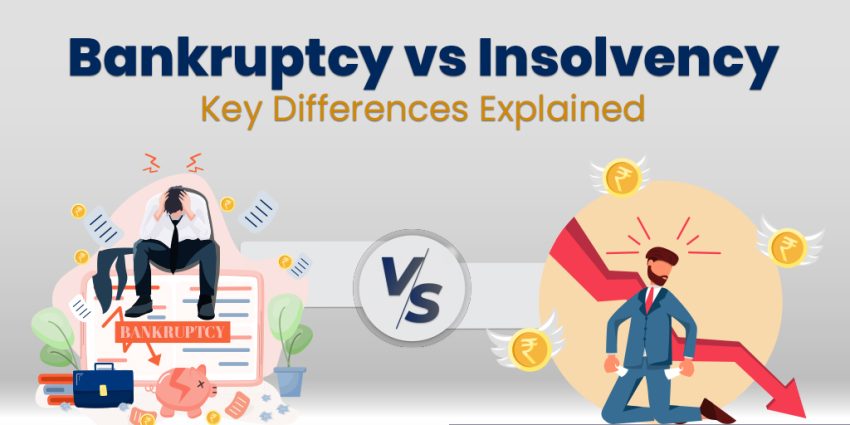
Bankruptcy vs Insolvency: Key Differences Explained
In the world of finance and business, terms like bankruptcy and insolvency are often used interchangeably. However, they carry different meanings and legal implications. Both describe financial distress, but the processes, outcomes, and responsibilities involved in each are distinct. Understanding the difference between bankruptcy and insolvency is crucial for individuals, business owners, and financial professionals…
Audit Certification: The Foundation of Financial Discipline
One of the essential metrics of a healthy business is financial discipline. It allows organizations to control costs, pursue policies and make decisions that allow the organization to grow in the long term. The issue of poor internal procedures, financial ignorance or absence of proper monitoring is a challenge to many companies that find it…
Audit vs Assurance: Clarifying Their Roles in Financial Reporting
In the world of finance and corporate governance, the terms assurance and audit are often used interchangeably. However, while they share a common goal of enhancing trust and transparency, they serve distinct purposes in financial reporting. Understanding the difference between assurance and audit is crucial for businesses, investors, and stakeholders who rely on accurate financial…