In many cases, a business will need to expand and grow, and it will have to decide how to do so and what the long-term monetary implications of that choice will be. The choice of funding should support the company’s overall goals, whether it’s going to expand into new markets, invest in new technology, or…

Tag: Business finance
Business Valuation during Financial Distress: Key Considerations
Financial distress can occur in businesses of any size and can be caused by various factors, including economic recession, declining income, high debt, operational problems, and market disruptions. In such cases, the true valuation of business becomes crucial, and a professional business valuation can provide stakeholders with an objective assessment of the company’s financial position….
Digital Finance Transformation: Key Priorities for Businesses
Digital transformation has transformed almost every aspect of business and finance is no exception. The finance teams of today’s organizations are expected to do much more than generate accurate financial reports, as they need to be able to provide real-time insights, assist in the decision-making process, bolster compliance, and enhance the operational efficiency of the…
How Digital Transformation Is Reshaping Corporate Finance
Businesses have seen changes in the way they conduct their financial operations due to the adoption of digital transformation. The use of technology in the financial industry has changed the whole scene by carrying out routine tasks and giving financial insights in real-time. Most organizations have started adopting digital means to improve their efficiencies, reduce…
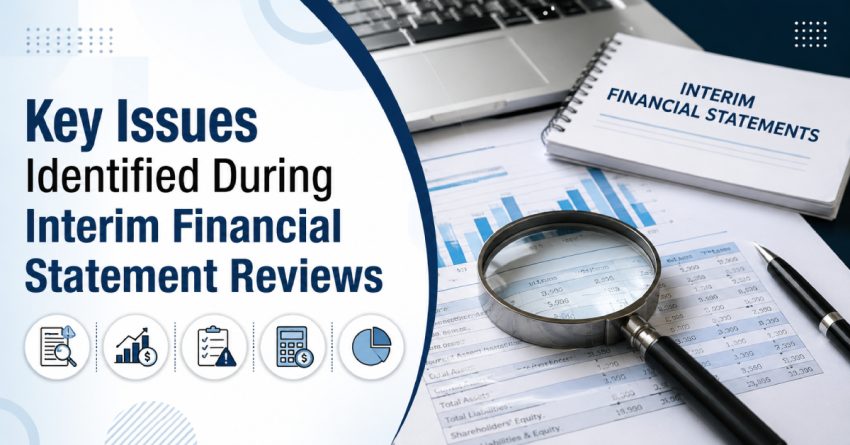
Key Issues Identified During Interim Financial Statement Reviews
Financial information is important in the business decision making process. Interim financial statements are sometimes prepared for companies to give a snapshot of the financial performance between annual reporting periods. Many organizations perform a review of interim financial statements to ensure reliability of this information. This process helps to identify any issues that could have…
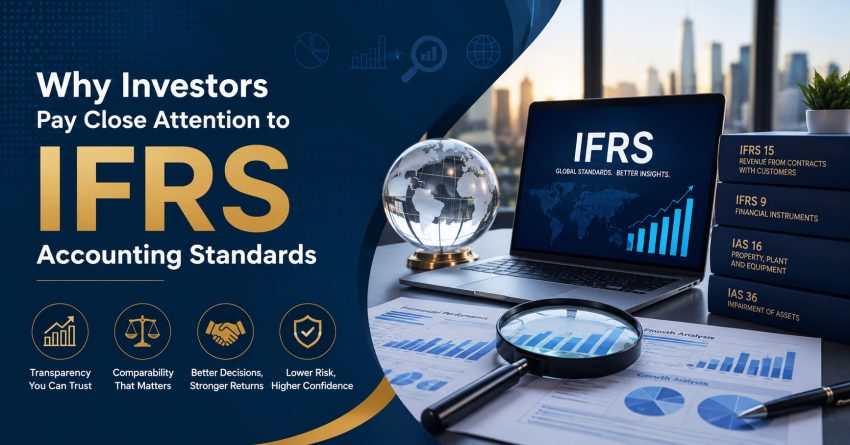
Why Investors Pay Close Attention to IFRS Accounting Standards
Financial information is the key for investors; they need it to make smart choices about where to invest. Whether starting a small business, a big corporate conglomerate, or a multi-national firm, accuracy and transparency in finances are a must. That’s why many investors follow IFRS accounting rules. IFRS, or International Financial Reporting Standards, is the…
Why GAAP Matters During Business Growth
When a business grows, it is a thrilling period of time for any company. Growth in business, increased revenue, new employees and new markets can provide ample opportunities. But growth also entails increased economic complexity. With a growing volume of transactions and greater reporting needs, it becomes critical to ensure financial records are kept ensuring…
How Accounting Solutions Improve Cash Flow Visibility for Businesses
It should be noted that cash flow is regarded as the most essential element of any company’s finances. Despite high sales and ever-growing demands of consumers, companies cannot operate successfully unless cash flows are managed in an appropriate way. Nowadays, more businesses invest in accounting solutions that contribute to financial transparency. Modern accounting solutions facilitate…
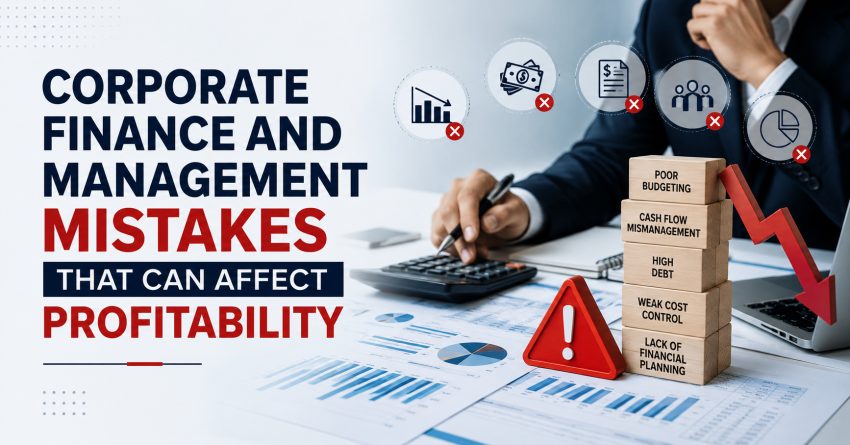
Corporate Finance and Management Mistakes That Can Affect Profitability
Profits are important to all businesses and in general every business strives for profit & its steady growth. However, even the best businesses with the best practices and customer support can be affected by low profitability. Effective financial planning & good management of business operations help the organization to optimize expenditure, rationalization of assets utilized…
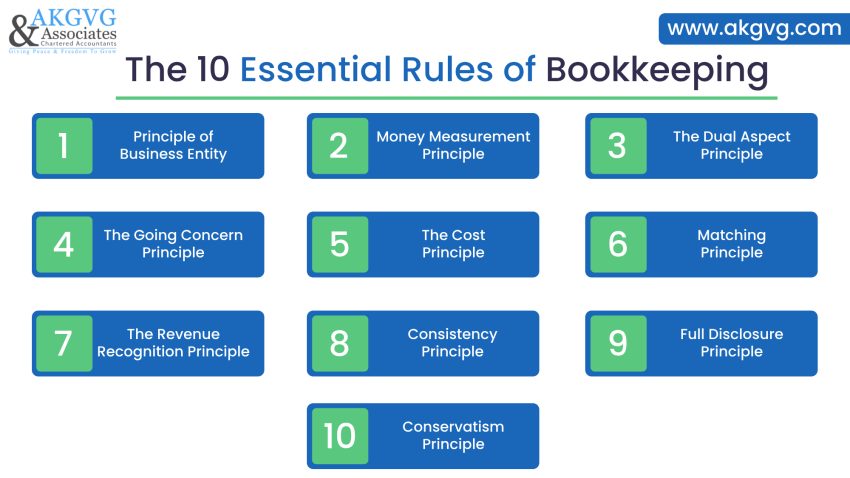
The 10 Essential Rules of Bookkeeping
Bookkeeping is the engine that drives financial clarity in business. Whether you are running a start-up, a small enterprise, or a growing company, understanding the principles of bookkeeping is essential for accurate financial records and informed decision-making. These principles provide a standard framework that ensures consistency, accuracy, and transparency in managing accounts. Here are the 10…