The Union Budget 2026-27 introduced by Finance Minister Nirmala Sitharaman, aims at strengthening infrastructure, making the tax compliance process easier and enhancing domestic manufacturing in the country without compromising fiscal discipline. As her ninth consecutive budget, it has a few structural reforms that are likely to impact on industries, investors, and taxpayers in the country….
Category: Finance
Financial Auditing Firms: Shaping a Culture of Financial Discipline
There is more to running a business successfully than making money; one needs to manage money in an effective way, ensure there is transparency and be financially accountable. It is in this that a financial auditing firm is very strong. In addition to checking accounts and verifying numbers, an auditing partner assists a business to…
The Role of Financial Due Diligence in Private Equity Investments
A private equity investment involves the allocation of funds in expanding businesses with an expectation of good returns in future. Nevertheless, prior to investing private equity firms need to know the actual financial soundness of the target company. It is at this stage that financial due diligence comes in very handy. It assists the investors…
Small Business Finance: Controls for Accuracy and Growth
For small businesses, managing finances with accuracy and transparency is crucial for long-term growth. A strong financial foundation not only prevents errors and fraud but also helps entrepreneurs make informed decisions. This is where an essential financial controls checklist becomes a vital part of business operations. It acts as a guideline to ensure that money…
Understanding Financial Due Diligence: Scope and Significance
Financial due diligence is a critical evaluation process carried out before making major business decisions such as mergers, acquisitions, investments, or strategic partnerships. It helps stakeholders understand the true financial position of a business and identify potential risks that may impact future performance. For investors and business owners alike, financial due diligence acts as a…
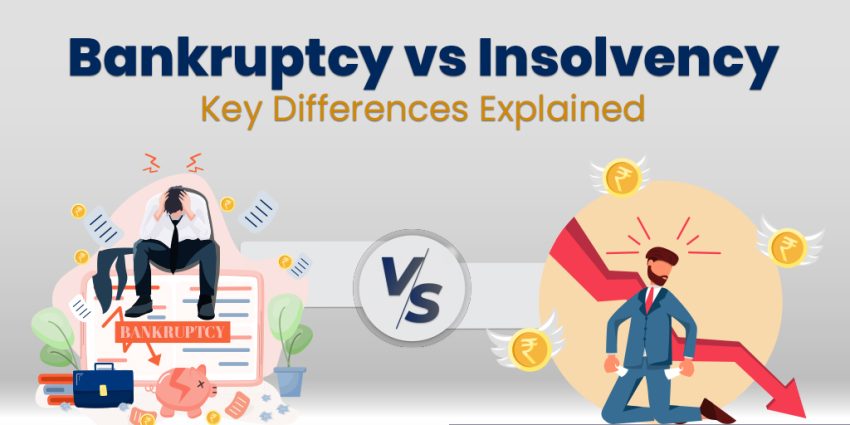
Bankruptcy vs Insolvency: Key Differences Explained
In the world of finance and business, terms like bankruptcy and insolvency are often used interchangeably. However, they carry different meanings and legal implications. Both describe financial distress, but the processes, outcomes, and responsibilities involved in each are distinct. Understanding the difference between bankruptcy and insolvency is crucial for individuals, business owners, and financial professionals…
Streamlining Finance With Automation Tools
Successful business operations in today’s high-speed industrial environment demand continuous management of financial leadership challenges. Antecedent automation software now serves as a modern breakthrough that assists complex accounting work through automation while lowering human mistake susceptibility. Many companies across all business size ranges use this technology to boost productivity while promoting higher accuracy for better…
Discovering The Role Of a Forensic Consultant In Finance!
In today’s complicated financial landscape, the job of forensic experts is becoming more important. But what exactly does a forensic expert do, especially concerning financial matters? A forensic consultant is a professional who applies their expertise in finance, accounting, and investigative skills to analyze, interpret, and present complex financial data in legal and corporate settings….
Cash Flow: Receivables Management’s impact on fund success
Cash flow is the lifeblood of any company, and maintaining a healthy and long-lasting flow of funds depends heavily on the management of receivables. For funds and investment firms, optimizing receivables management is essential for supporting financial stability and achieving long-term success. This blog post will investigate the significance of receivables management in fund operations…
Internal Financial Controls: Key Steps for Implementation
In today’s complex business environment, organizations face increasing regulatory requirements, heightened scrutiny, and the need for sound financial management. Internal Financial Controls (IFC) play a crucial role in ensuring the accuracy, reliability, and integrity of financial reporting. Implementing effective IFC is critical for organizations to mitigate risks, safeguard assets, and maintain financial transparency. This blog…