Internal Financial Controls (IFC) play a critical role in ensuring that an organization operates smoothly, transparently, and in compliance with applicable laws. As businesses grow, the complexity of financial processes also increases, making it essential to regularly review the internal control framework. An IFC audit checklist helps organizations evaluate the effectiveness of their controls and…
Internal Financial Control in India
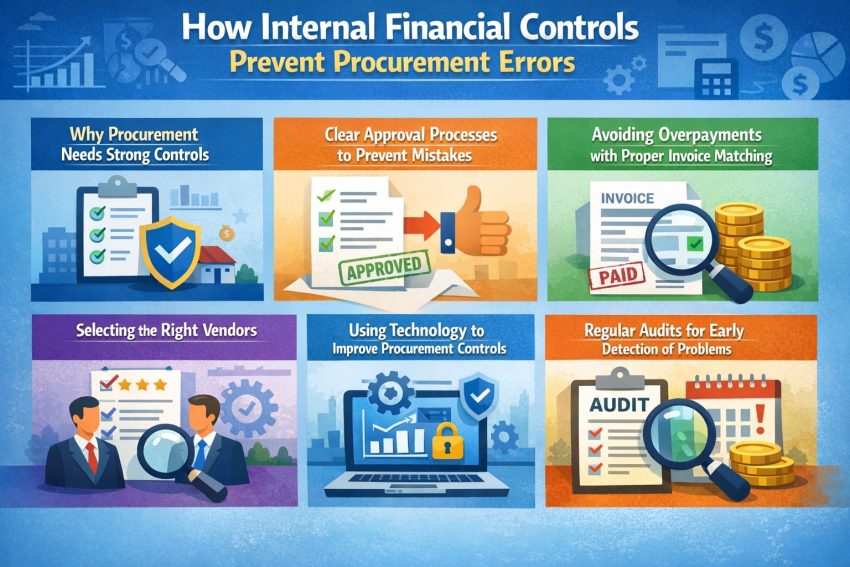
How Internal Financial Controls Prevent Procurement Errors
One of the most crucial functions in an organization is procurement. It is concerned with purchasing goods and services, negotiating with traders, and making sure that all purchases are beneficial to the company. Due to the daily circulation of money in this process, even the slightest error may result in losses. Internal Financial Control is…
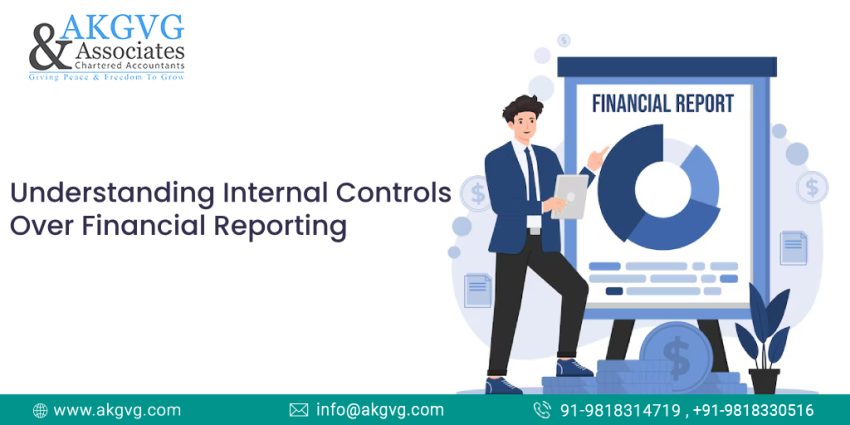
Understanding Internal Controls Over Financial Reporting
In today’s complex business environment, maintaining transparency, accuracy, and accountability in financial reporting is essential. One of the key mechanisms that help organizations achieve this is Internal Controls Over Financial Reporting (ICFR). These controls are designed to ensure that a company’s financial statements are reliable, complete, and prepared in accordance with applicable accounting standards. Understanding…
Key Internal Controls to Protect Business Assets
Any organization, be it a large or a small organization, has assets that are of paramount importance to the organization. Such assets may be tangible like machinery and equipment or be intangible like information and intellectual property. To make sure that these resources are not lost, misused, or abused, businesses should be oriented to safeguarding…
Unlocking Project Financing Through IFC Audit Compliance
What Is an IFC Audit? A project audit by IFC usually reviews how well a project complies with environmental, social, and governance (ESG) standards, the overall sustainability of the project, and how effectively the project aligns with the goals of IFC. The risks evaluated by the audit are environmental impact, community well-being, labor practices as…
ICFR Explained: Boosting Financial Transparency
Transparency of finances is among the most critical keys of trustworthiness of any organization. Firms are expected to submit their financial statements in a form that is fair, true and not deceptive. To realize this, businesses implement procedures and controls that ensure their financial records are accurate. This is where ICFR will play a part….
Internal Financial Controls (IFC): Key Challenges in Applicability and Compliance
The Internal Financial Control (IFC) has grown to be a significant component of corporate governance and compliance in India. It also makes companies manage to have checks and balances in their financial operations. The aim is to develop more transparency and accountability; however, organizations are usually faced by some hindrances in ensuring the applicability of…
Crafting a Resilient Internal Financial Control Framework
A well-designed internal financial control (IFC) framework is essential for ensuring financial accuracy, regulatory compliance, and safeguarding organizational assets. In India, the Companies Act, 2013 mandates certain classes of companies to establish and report on IFC, making it not only a best practice but also a legal obligation. For businesses looking to strengthen governance and mitigate…
Divide and Secure: How Segregation Strengthens Internal Financial Control
Internal financial control is one of the best practices that serve the purpose of accuracy, integrity, and credibility of the financial system in an organization. It refers to measures put in place to protect and maintain the value of the company’s properties alongside preventing and discouraging fraud and developing ways and means through which the…
Internal Financial Control: A Business Checklist
Internal financial control (IFC) is a set of policies and procedures implemented by organizations to ensure the accuracy and reliability of financial reporting. IFC also safe-guard assets and prevents fraud. In other words, it is also a guideline which establishes a framework for managing financial operations so that all the compliances with laws and regulations…