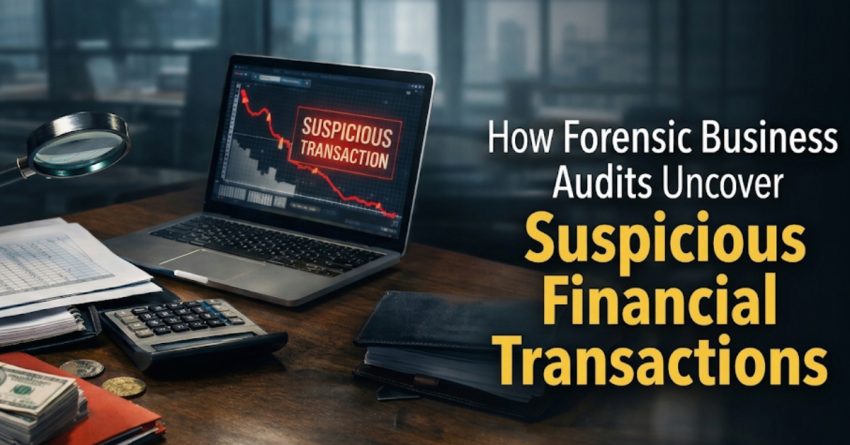
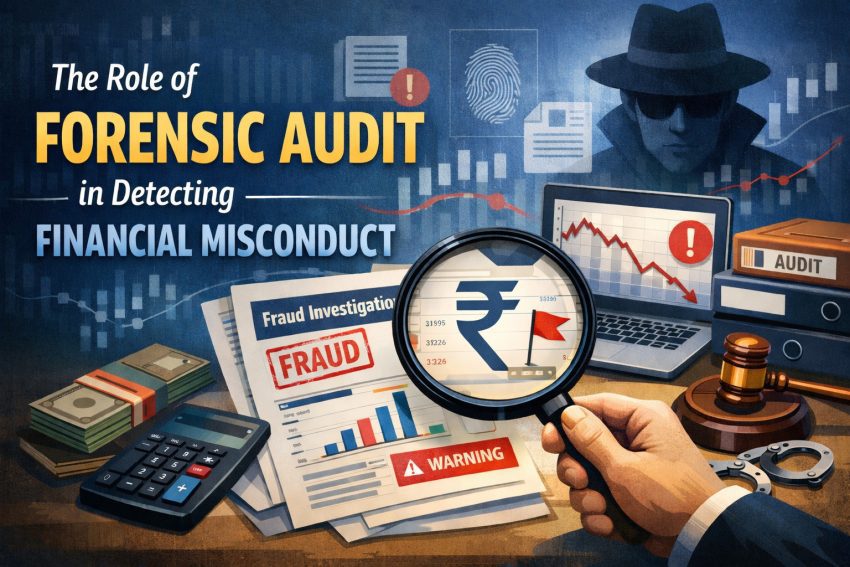
Financial misconduct has become a serious concern for organizations of all sizes. Fraud, embezzlement, manipulation of financial statements, and misuse of funds can cause long-term damage to a company’s reputation and financial stability. To address these risks, forensic audits play a critical role by uncovering hidden irregularities and providing reliable evidence for corrective action. Understanding…
forensic digital audit
Forensic Audits: Ensuring Transparency in Shareholder Disputes
Intrusion in the stability of a company, its reputability, and its everyday activities can be quite severe because of shareholder disputes. Mistrust and differences of opinions in the stakeholders are caused by differences in financial performance, misappropriation of funds, related-party transactions, or decision-making by the management. Where conflicts arise, it is necessary to have objective…
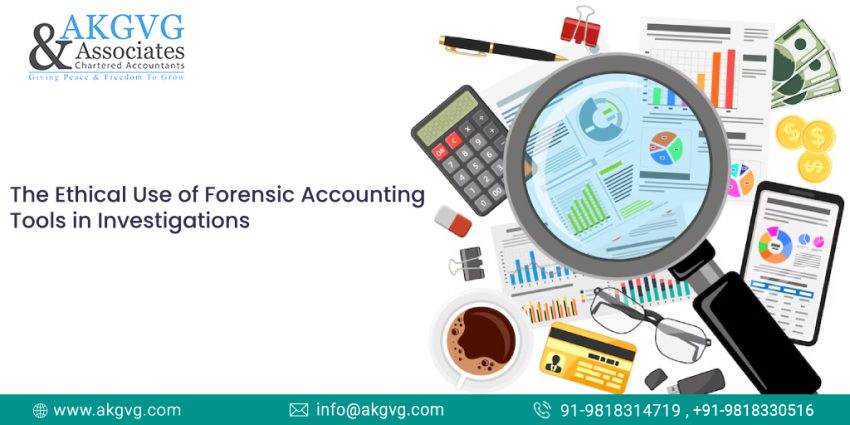
The Ethical Use of Forensic Accounting Tools in Investigations
Forensic investigations are gaining relevance with businesses experiencing increasing fraud, irregularities in finance, and digital manipulations. In trying to deal with these issues, forensic accounting tools come to the aid of the professionals to be able to locate suspicious activities in a quick and precise manner. Nevertheless, as much as these tools are very beneficial,…
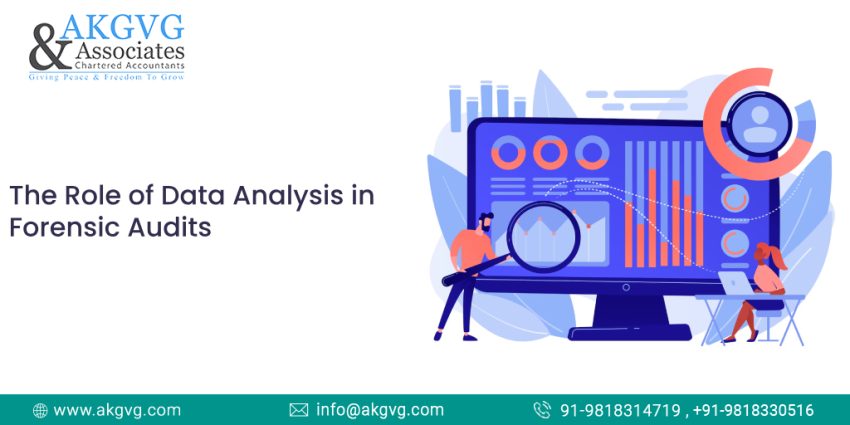
The Role of Data Analysis in Forensic Audits
In today’s complex business environment, fraud and financial irregularities have become more sophisticated. Traditional auditing methods often fall short of detecting hidden manipulations, making data analysis a vital tool in uncovering irregularities. Among the various techniques of forensic audit, data analysis stands out as a game-changer because it empowers auditors to dig deeper into financial…
Forensic Auditing: Catching Financial Red Flags
In an era of increasing corporate fraud and financial misstatements, forensic auditing has emerged as a vital tool for detecting, analyzing, and preventing financial irregularities. This specialized field combines accounting, auditing, and investigative skills to uncover evidence of fraudulent activities. Forensic auditors play a crucial role in ensuring transparency, accountability, and regulatory compliance by providing objective…
Cracking the Code: Financial Fraud and Forensic Detection
Forensic accounting and fraud detection is perhaps the only potent way in which financial fraud can be identified and busted to ensure transparency in financial transactions. Businesses and even one-person companies are no stranger to various types of financial fraud, which can lead to significant losses if not detected early. An effective way to deal…
Forensic Audit: Illuminating Financial Intrigue
In the wake of infamous financial scandals like Satyam Computers, the importance of detecting financial wrongdoing early cannot be overstated. Such incidents can cripple even the most promising companies. However, there’s a powerful tool that can sniff out financial misconduct before it’s too late: the forensic audit. Unlike traditional audits, which focus on financial statement…
Forensic Accounting: Enabling fraud detection
Forensic accounting aims to evaluate financial records and identify fraud using a combination of accounting, auditing, and investigation abilities. It involves applying accounting techniques to legal problems and disputes to provide evidence that can be used in legal proceedings. Forensic accountants are frequently requested to investigate financial fraud and give qualified testimony in court. Fraud…
Forensic audit analysis: Unveiling hidden risks and fraud
A forensic audit is a specialized type designed to investigate financial and accounting irregularities, identify potential fraud or misappropriation of funds, and uncover hidden risks within an organization. It is an investigative process conducted by a team of experts with specialized knowledge and skills in accounting, law, and investigation techniques. Forensic audits are typically conducted…