Digital transformation is reshaping the way organizations manage financial reporting, compliance, and governance. As businesses increasingly rely on cloud platforms, enterprise software, and digital records, statutory audits are also evolving to meet the demands of a technology-driven business environment. Modern statutory audits are no longer limited to reviewing paper-based documents or performing manual verification. Auditors…
The Growing Use of AI in Retail Audit Processes
Retail businesses operate in an environment where inventory, sales, customer transactions, supplier relationships, and regulatory requirements are constantly changing. Conducting retail audits through traditional manual methods can be time-consuming and may not always provide real-time insights needed for effective decision-making. Artificial intelligence (AI) changes how retail audits are planned, executed, and analyzed. By combining intelligent…
How AI and Automation Improve Inventory Management
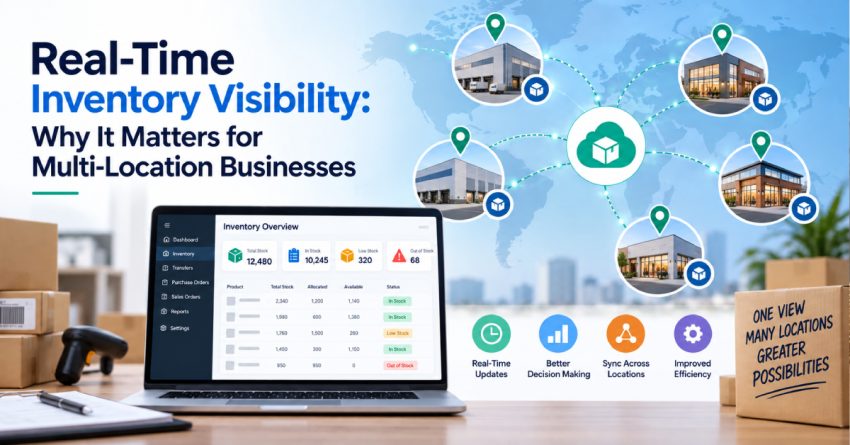
Inventory management has become increasingly complex as businesses deal with changing customer demand, expanding product portfolios, and global supply chains. Traditional inventory systems that rely on manual processes or historical estimates often struggle to maintain the right balance between stock availability and operational costs. Artificial intelligence (AI) and automation are changing how organizations manage inventory…
Why AI-Ready Global Capability Centres Matter
Artificial intelligence (AI) transforms how organizations manage operations, make decisions, and deliver value. As businesses expand across markets, they are increasingly looking for operational models that combine efficiency with intelligence. This shift has brought new attention to AI-ready Global Capability Centres (GCCs), which are evolving from traditional support functions into strategic centres for innovation, analytics,…
How AI and Hyper automation Are Reshaping BPO
AI and hyper automation are transforming Business Process Outsourcing (BPO) by combining intelligent automation, predictive analytics, document intelligence, and AI-assisted decision-making. Together, these technologies reduce repetitive work, improve accuracy, accelerate business processes, and help organizations build more adaptive and data-driven operations. Think about a business that processes thousands of invoices, customer requests, compliance documents, and…
The Role of Follow-On Offerings in the Equity Capital Market
As businesses grow or need to make acquisitions, pay off debt or build a stronger company, more capital is needed. An initial public offering (IPO) is a common way to raise capital, but companies might want to raise more money once they are publicly listed. A common method of this is through follow-on offerings. The…
How Corporate Finance and Management Support Long-Term Shareholder Value
The creation of long-term shareholder value should be one of the primary objectives of a successful business organization. Profitability is critical for the short run but planning, allocating resources, and making decisions that will result in sustained growth must also be taken into consideration. That is why a proper corporate finance and management approach becomes…
How Investment Banking Supports Industry Consolidation
Business consolidation is one of the popular strategies adopted by firms to enable them to grow their market shares, become more efficient, and improve their competitiveness in the market. In an environment that is characterized by matured industries, companies could adopt mergers, acquisitions, and strategic partnering in order for them to sustain their growth. In…
How Retail Audits Help Businesses Maintain Pricing Accuracy
One of the critical aspects to the success of retail stores is pricing accuracy. Their cost in the bill must match the one displayed in their retail outlet and the one advertised during their promotional campaigns. The slightest discrepancy in cost may lead to customer dissatisfaction, non-compliance, revenue leakage, and a drop in customers’ confidence…
Structured Finance: A Smarter Way to Manage Long-Term Assets
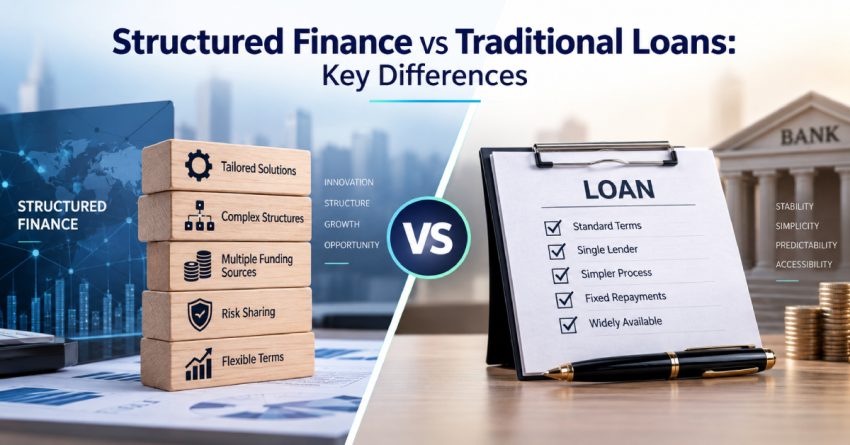
Businesses and Institutions tend to have assets that have long-term value. These can range from infrastructure projects, real estate properties, equipment, receivables, or any other source of income. Effective management of such assets demands a good sense of financial planning, particularly if substantial capital is invested for a long period. This is where structured finance…